
Portfolio
Works shaped by matter, tension, and time

Blog
A journal of the process, materials, and artistic decisions
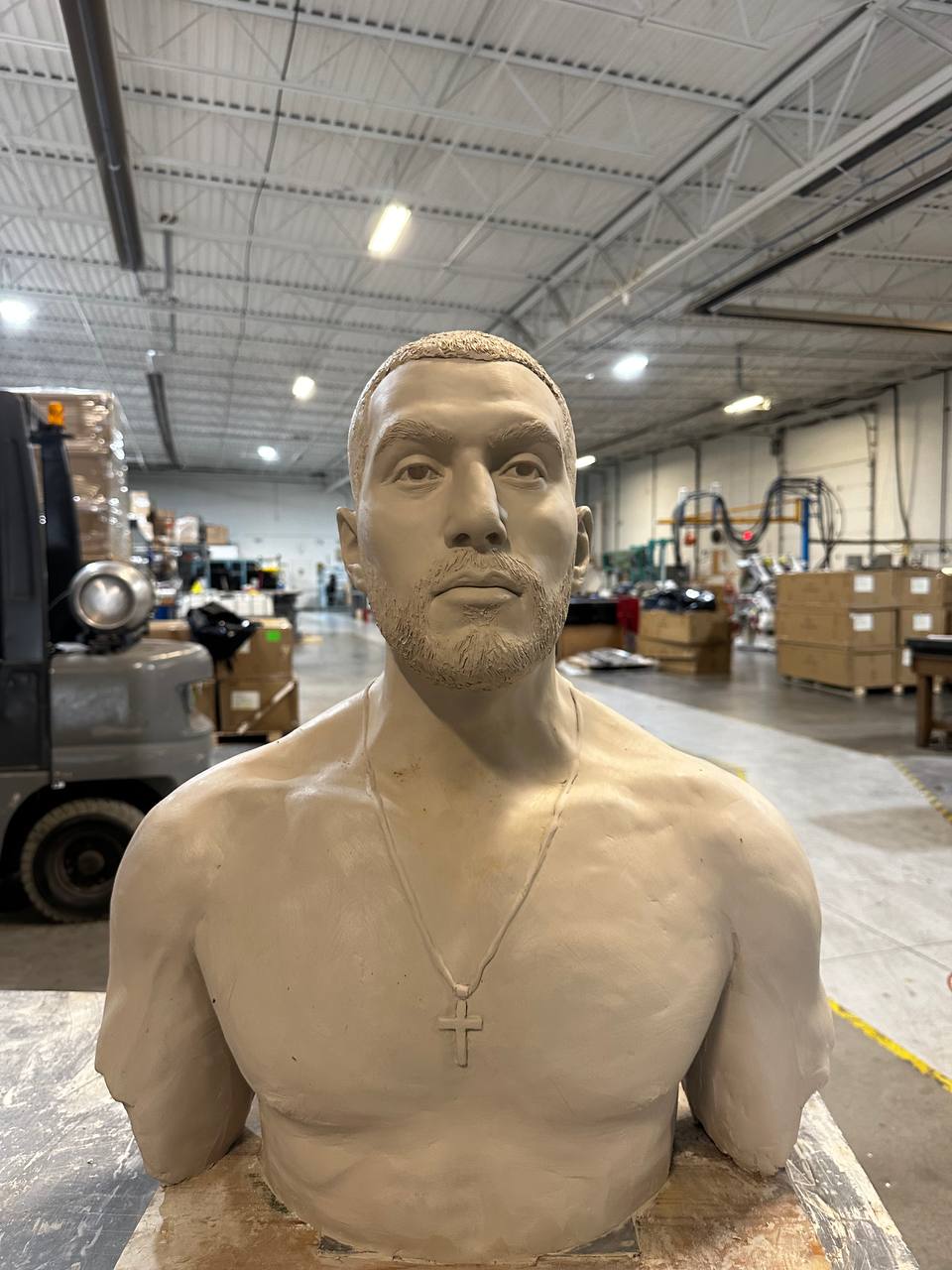
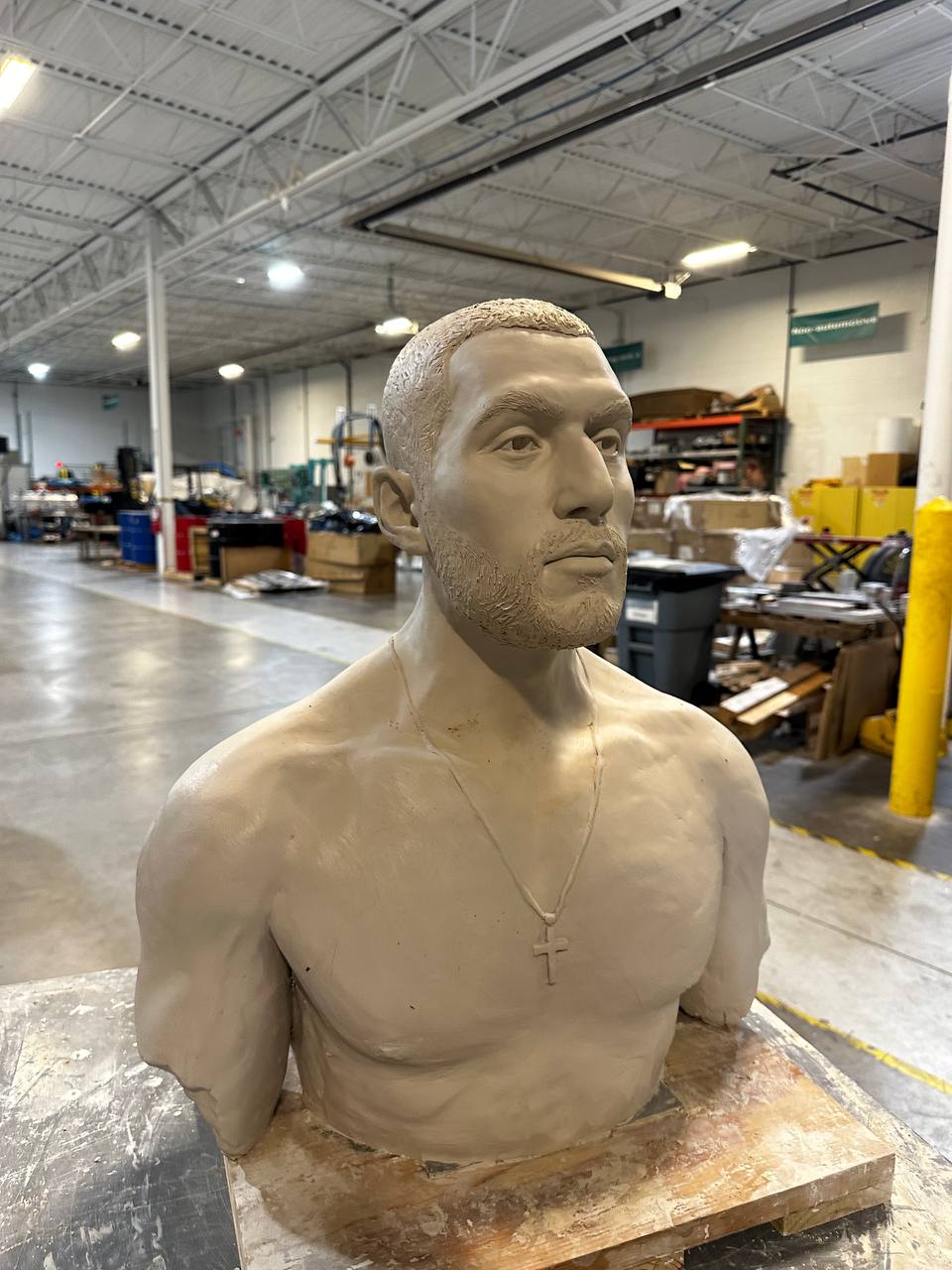
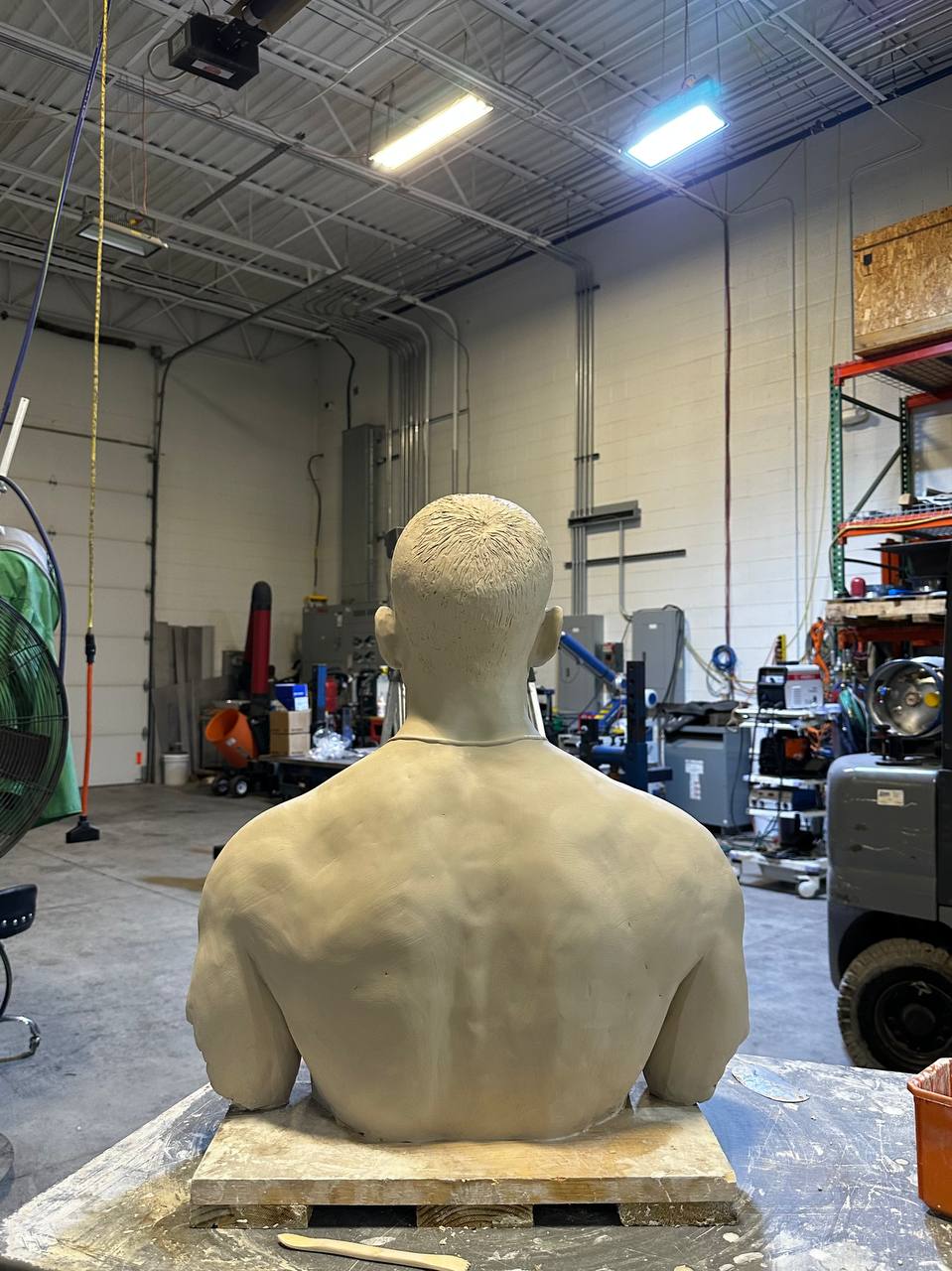
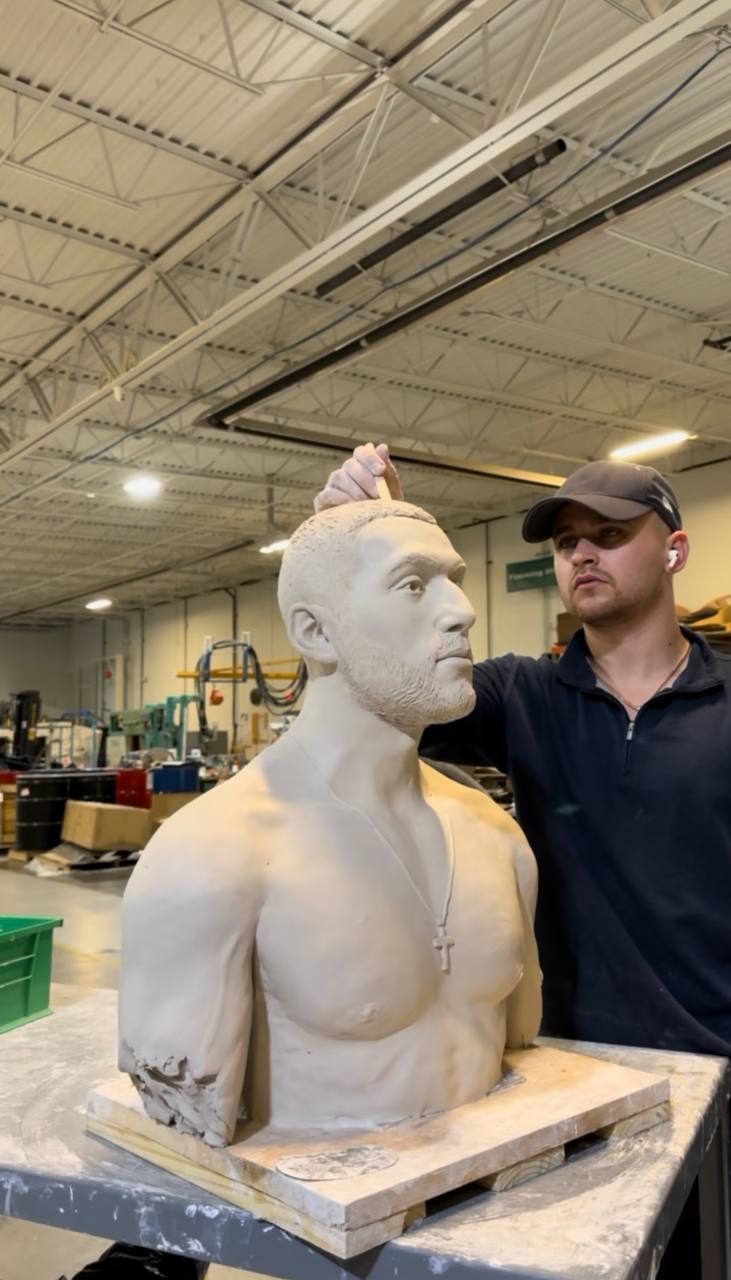
working with clay & armature
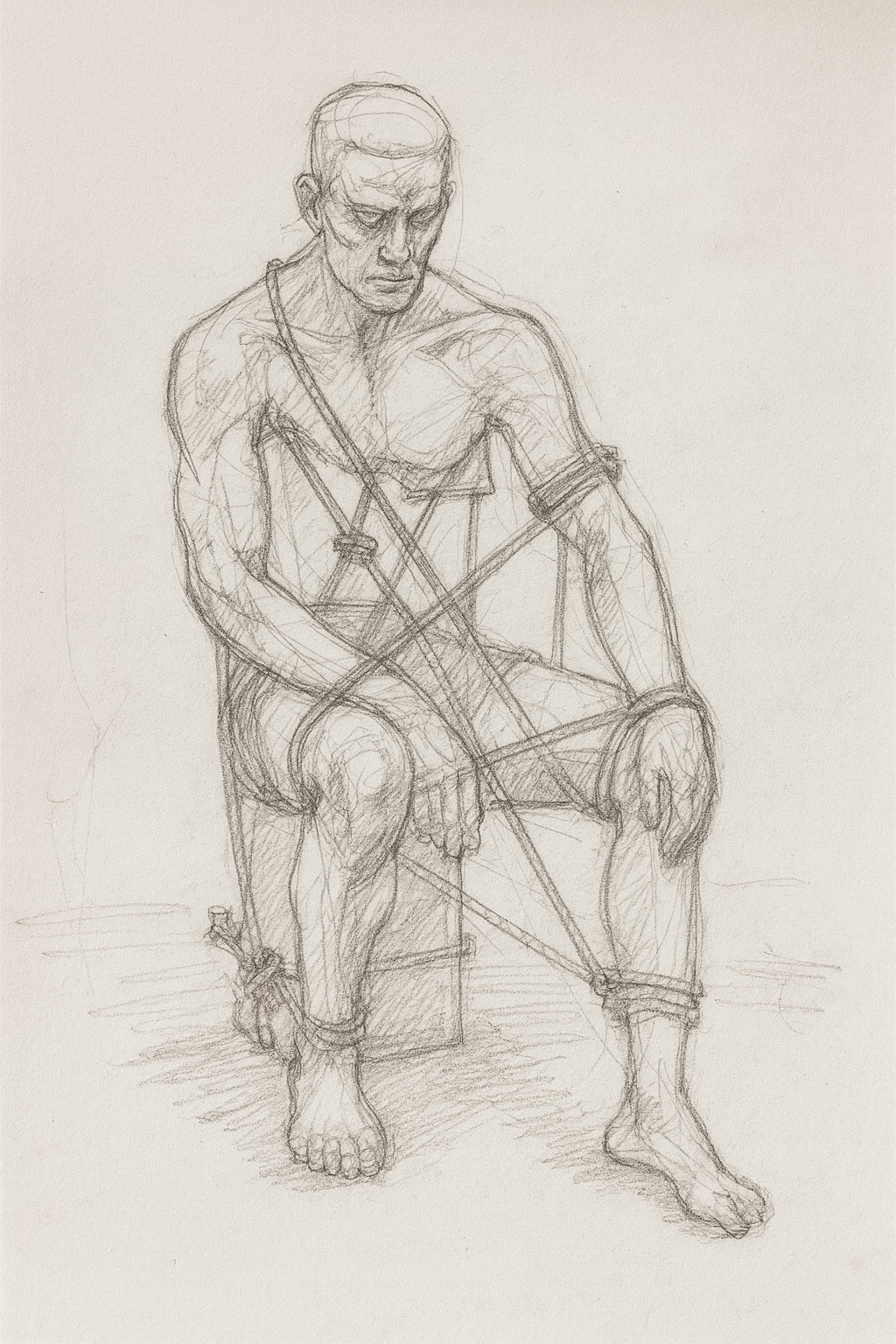
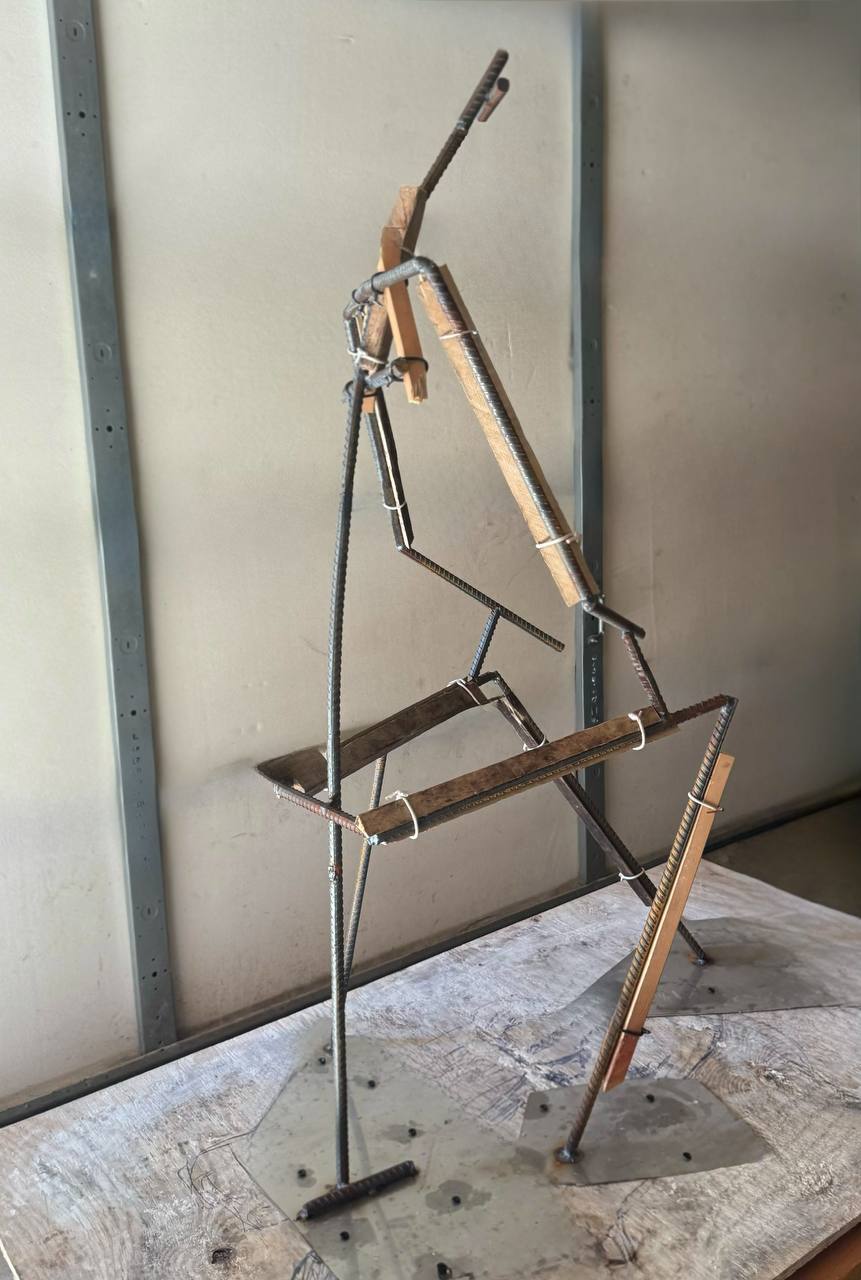
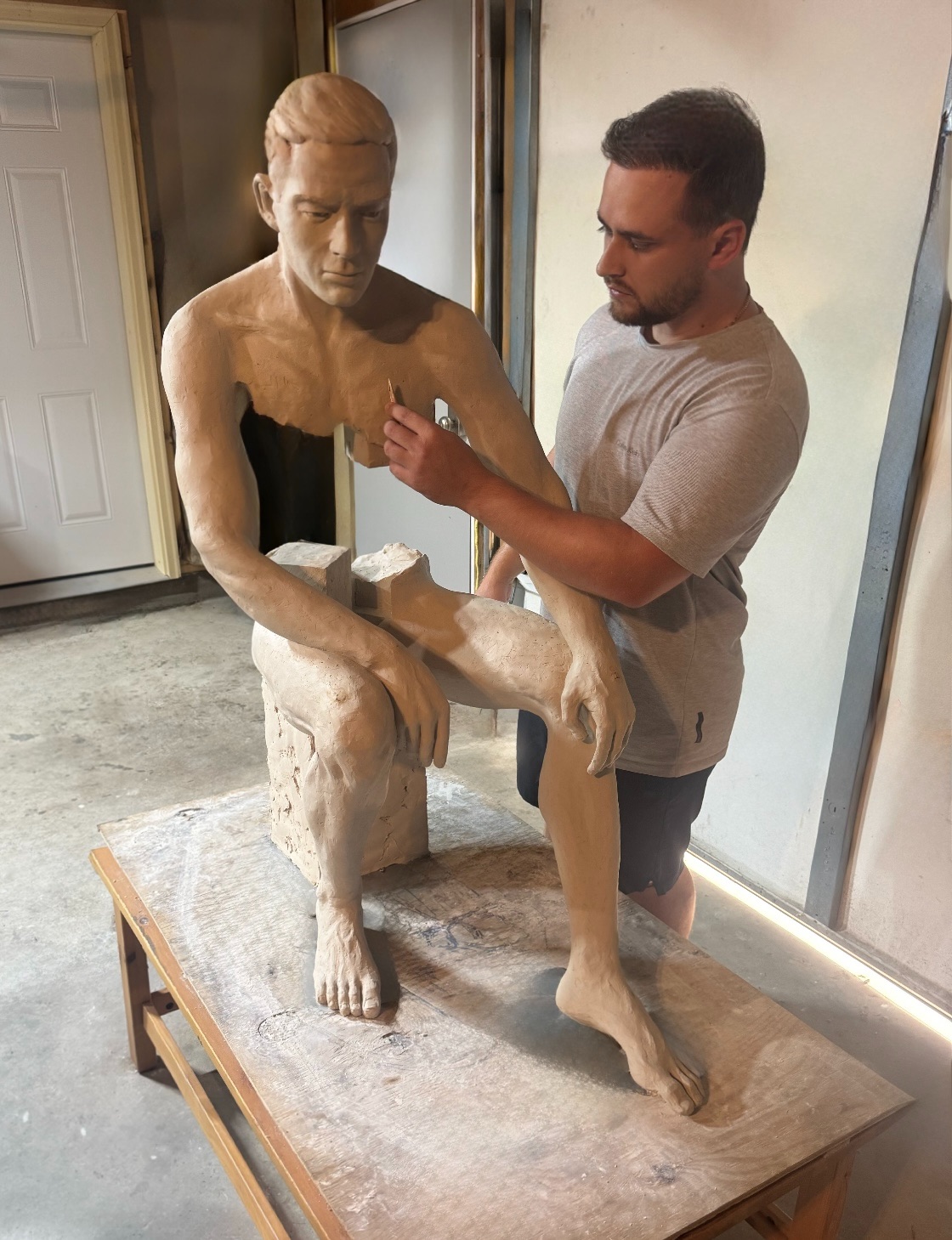
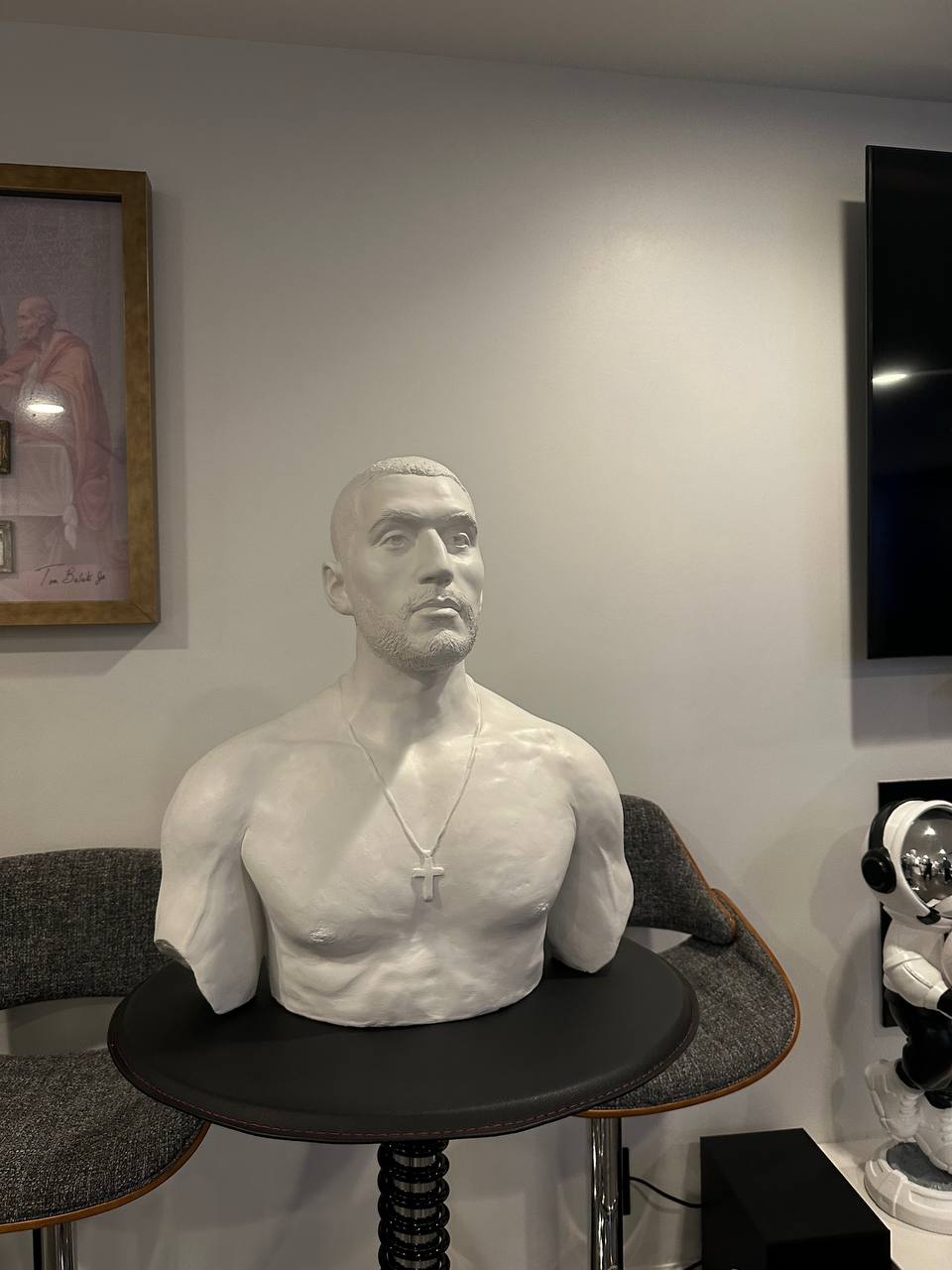
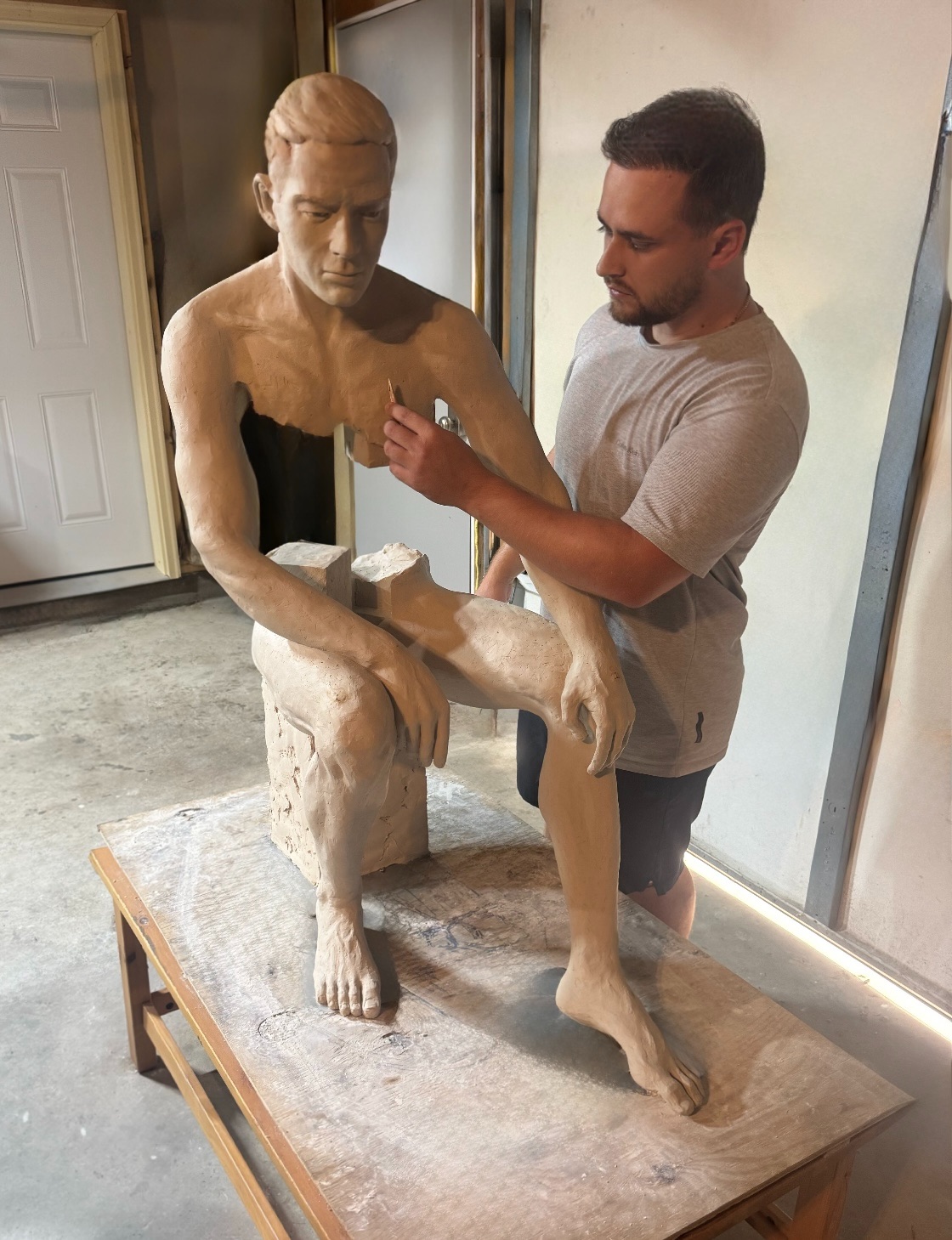
Clay is where the sculpture becomes alive.
The armature defines balance, movement, and structural integrity, while clay allows freedom. correction, and emotional expression.
This stage is where proportions are tested, gestures refined, and the final character of the work emerges.
BRONZE CASTING & FOUNDRY
COLLABORATION
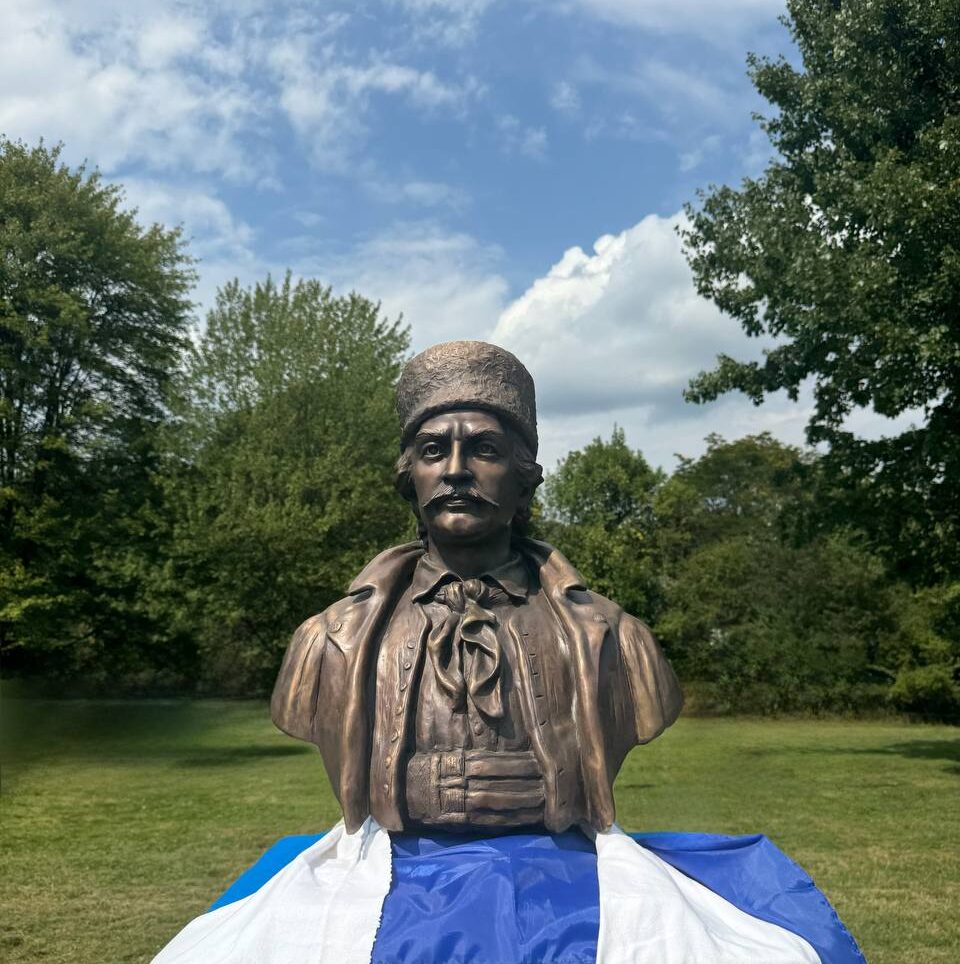
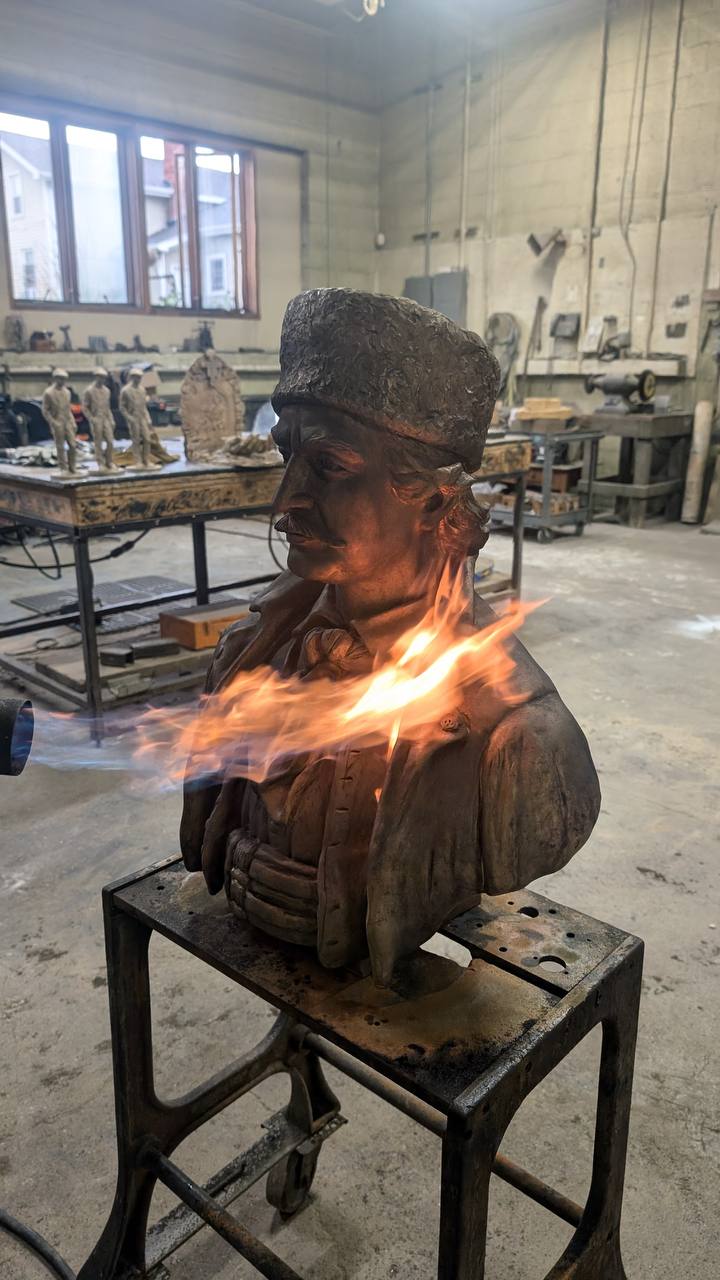
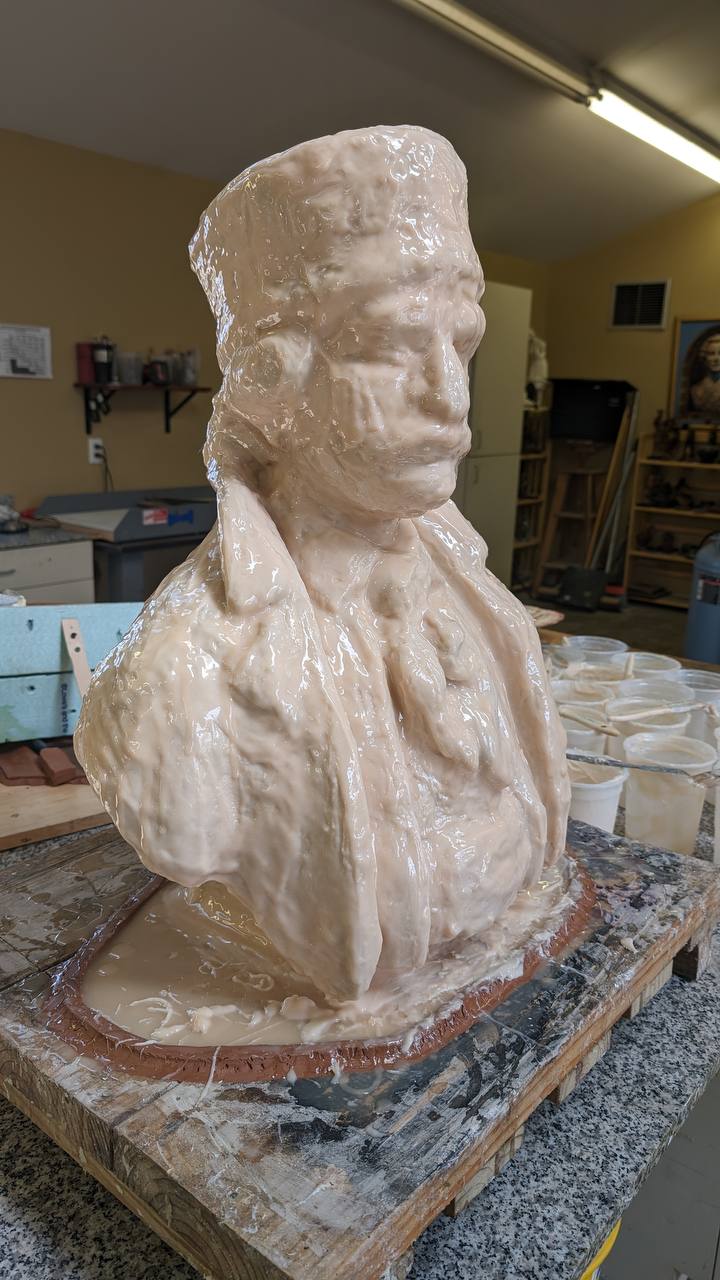
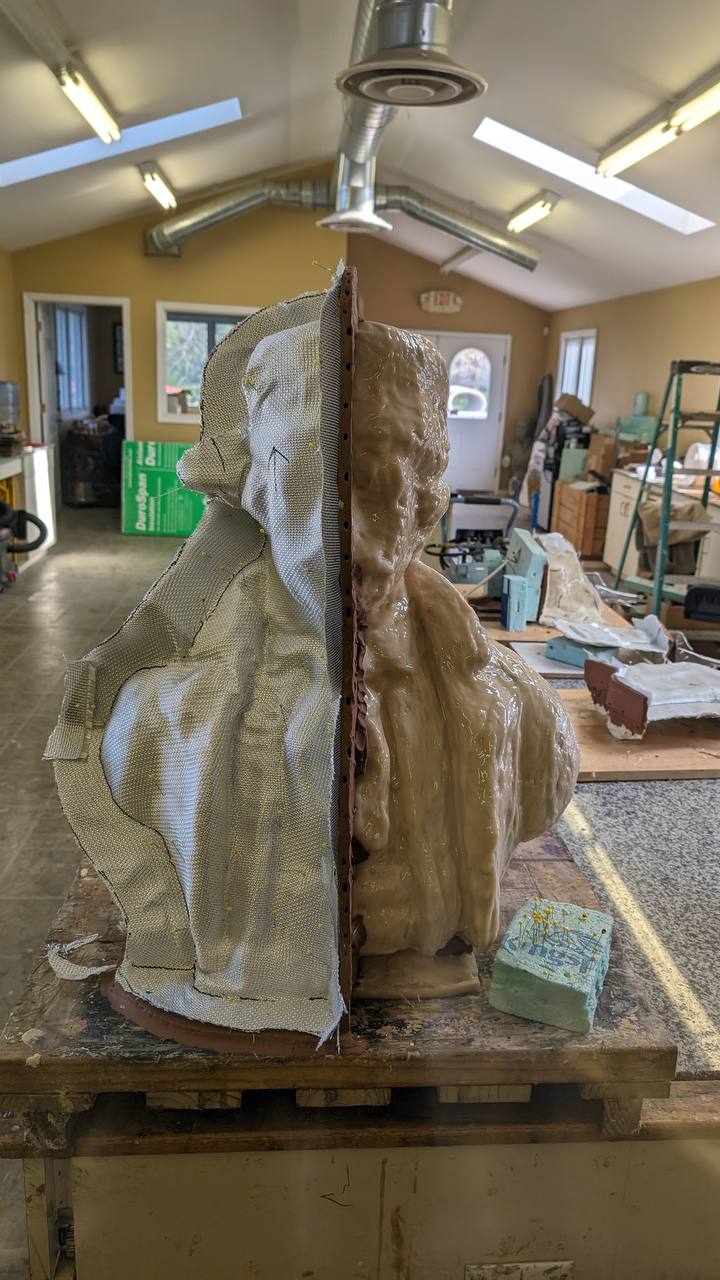
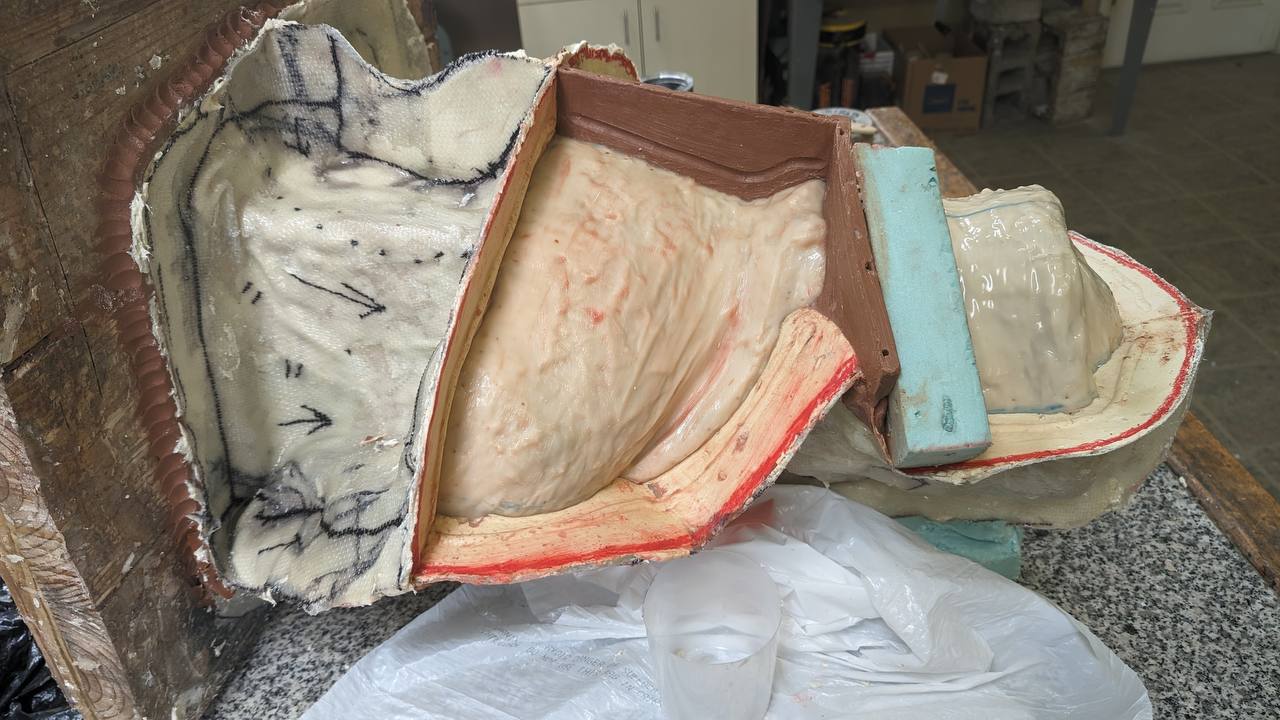
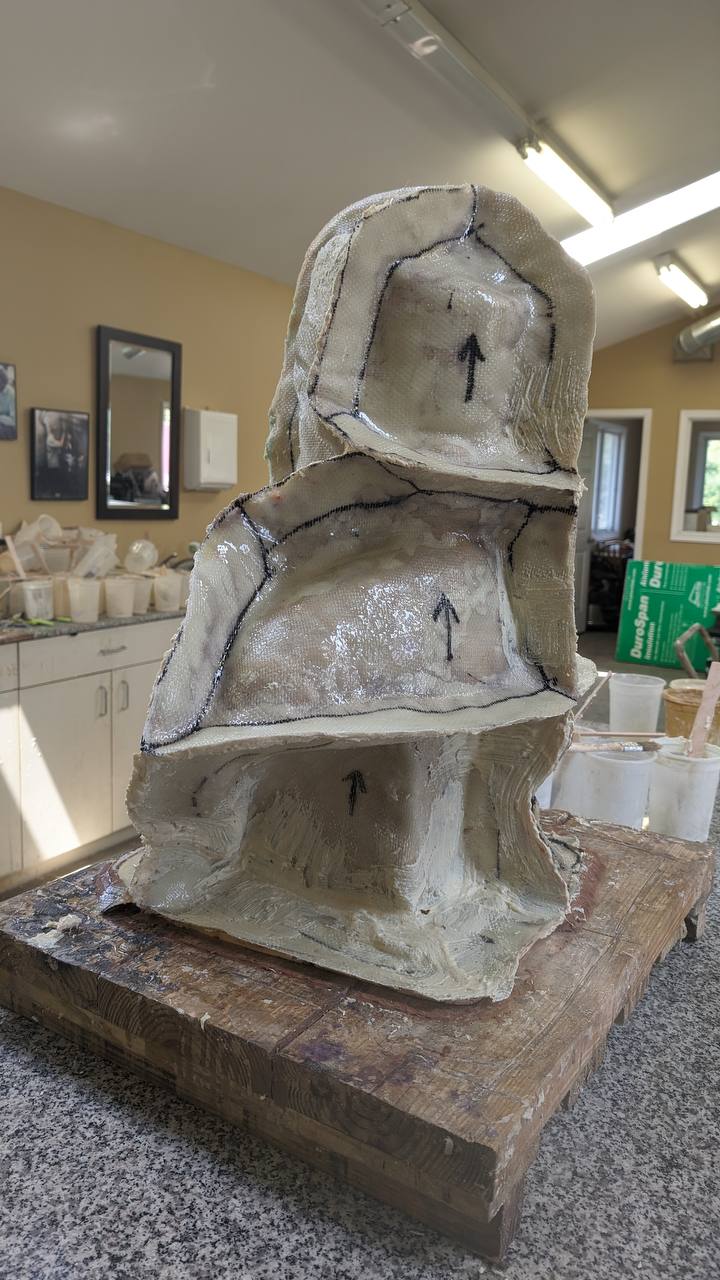
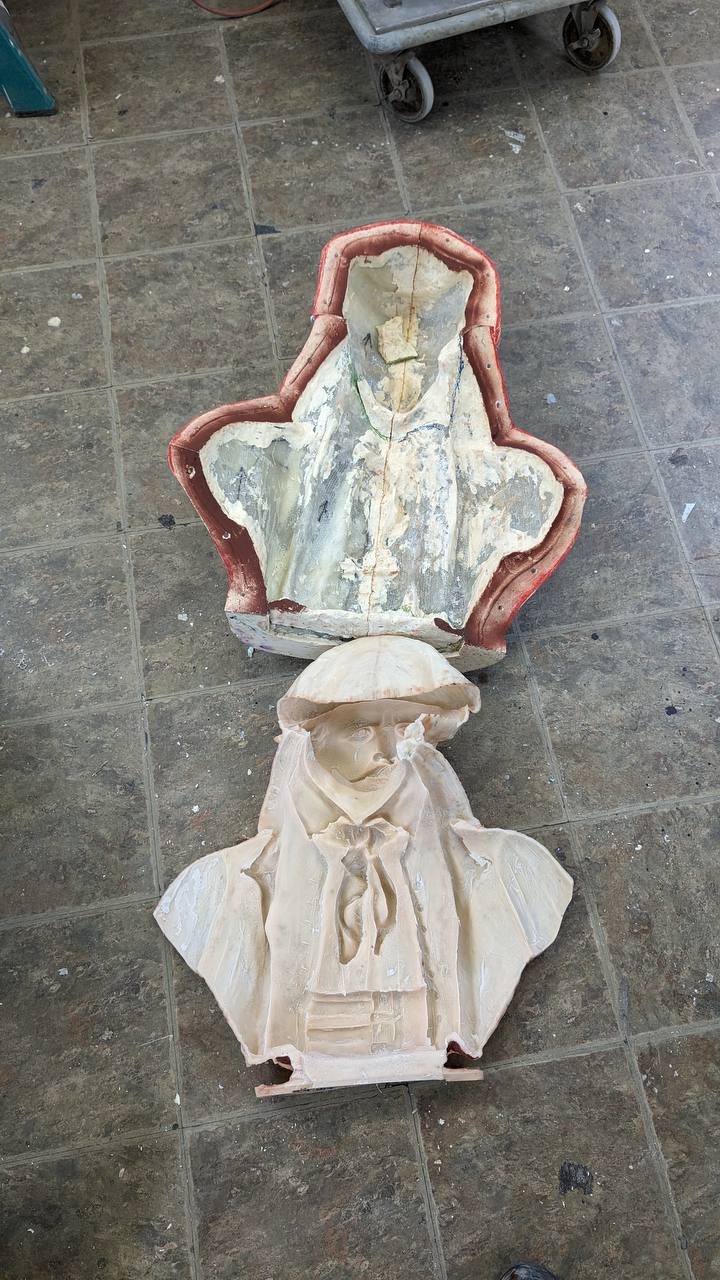
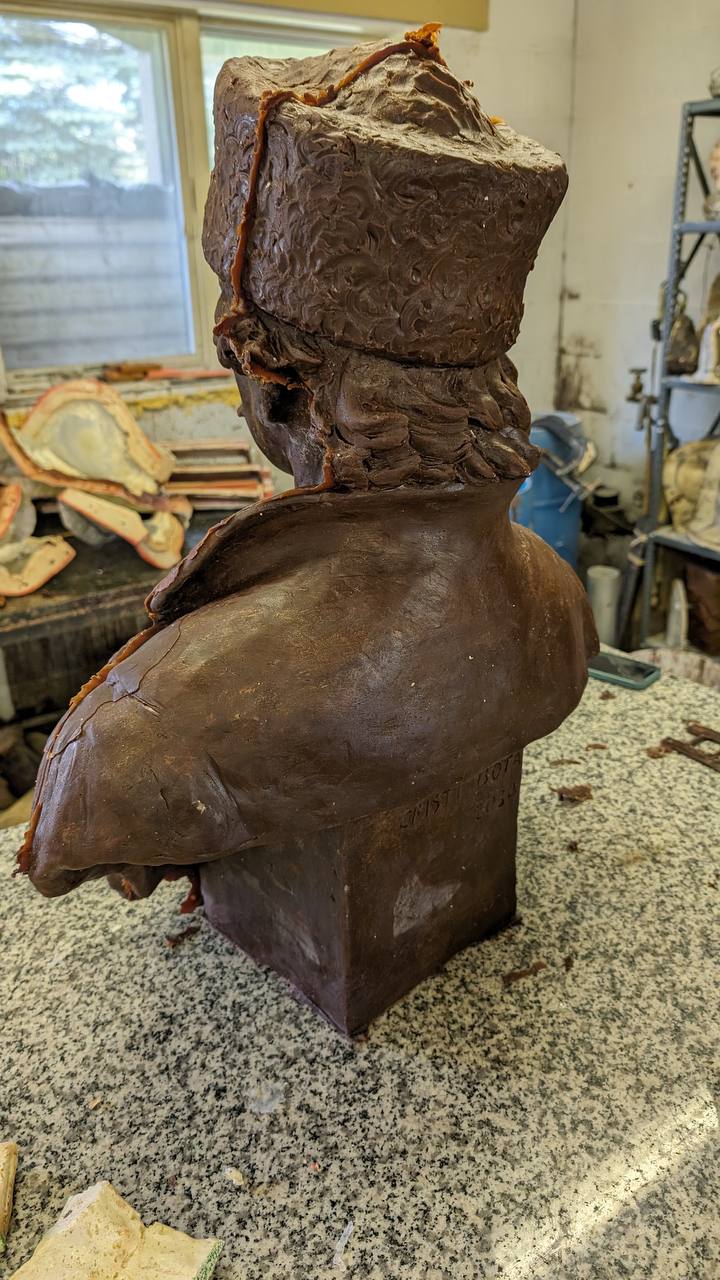
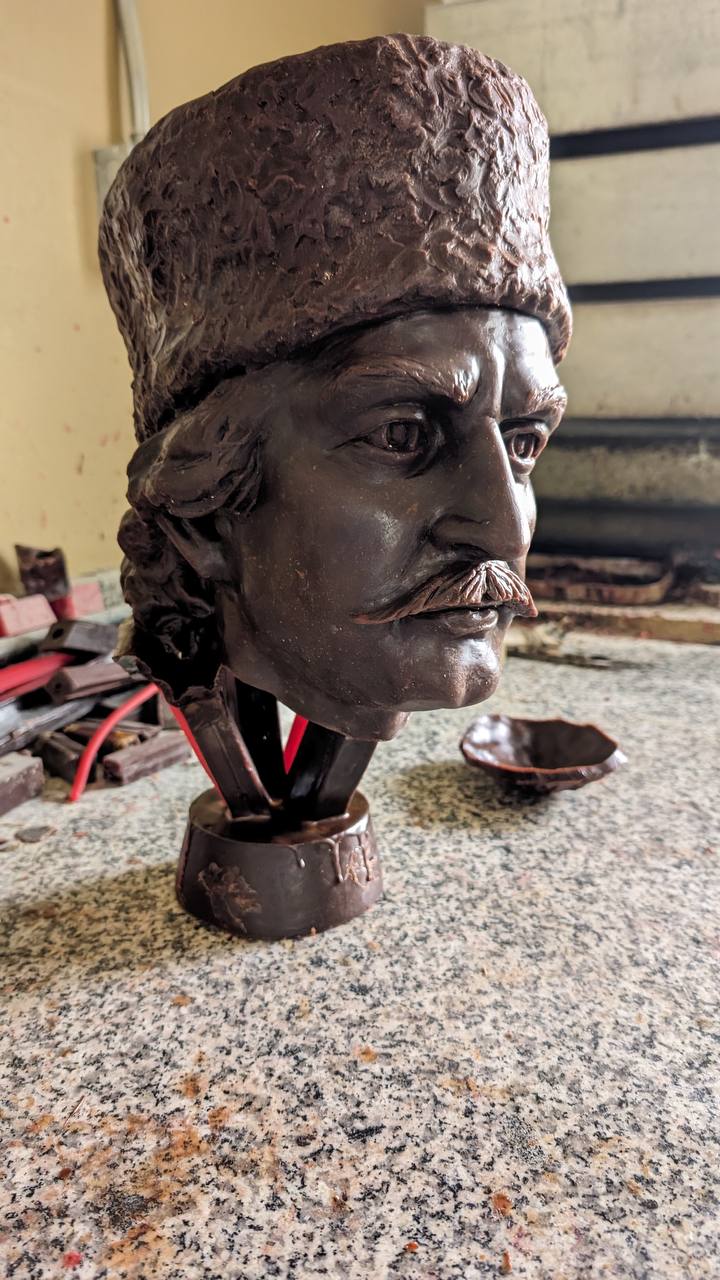
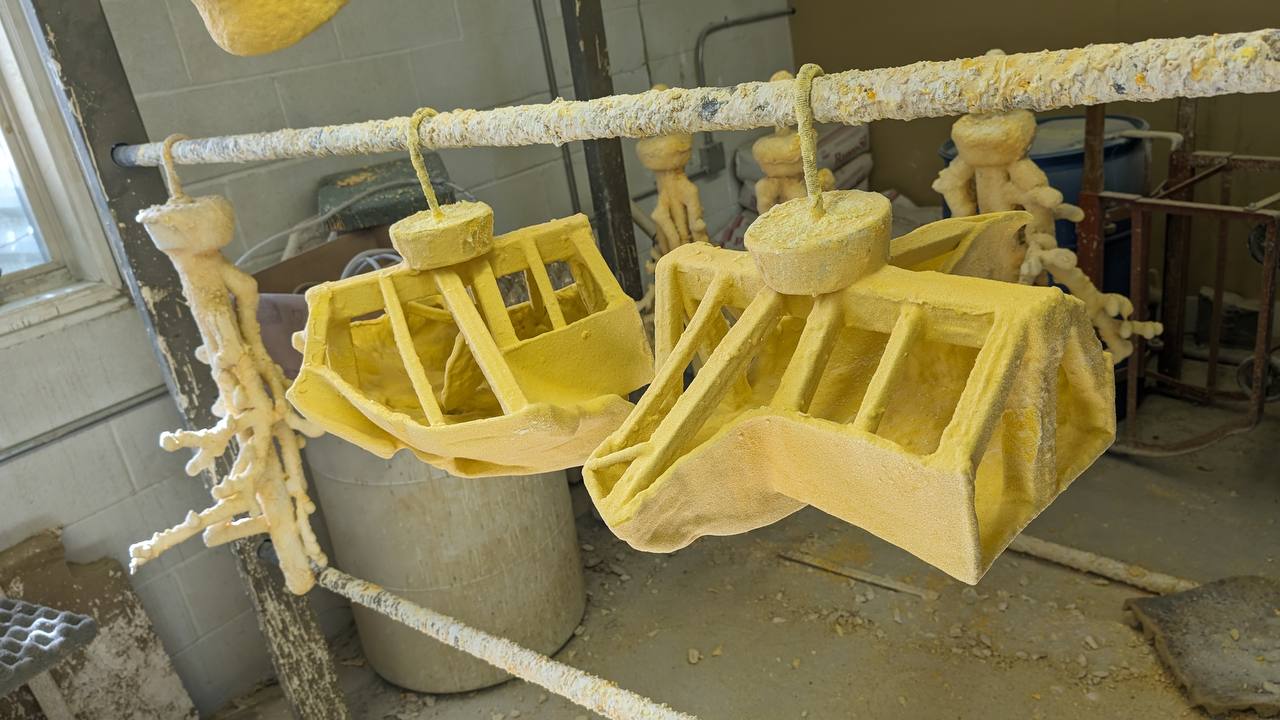
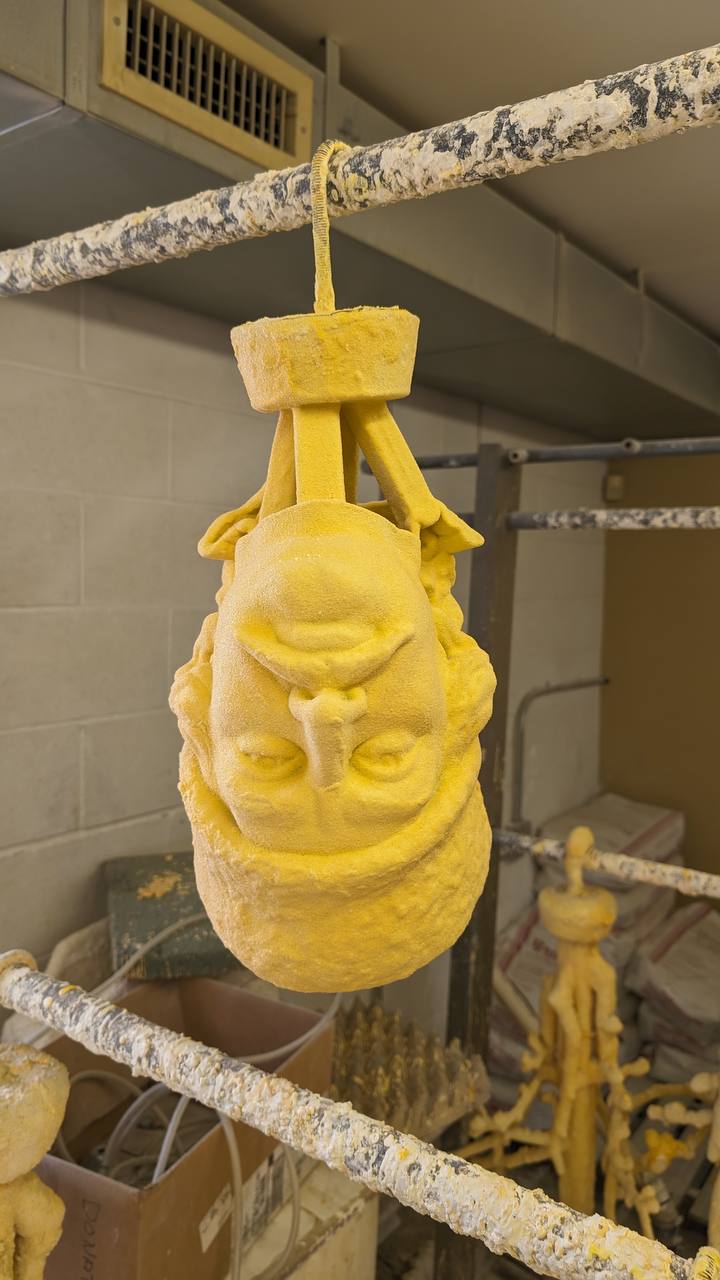
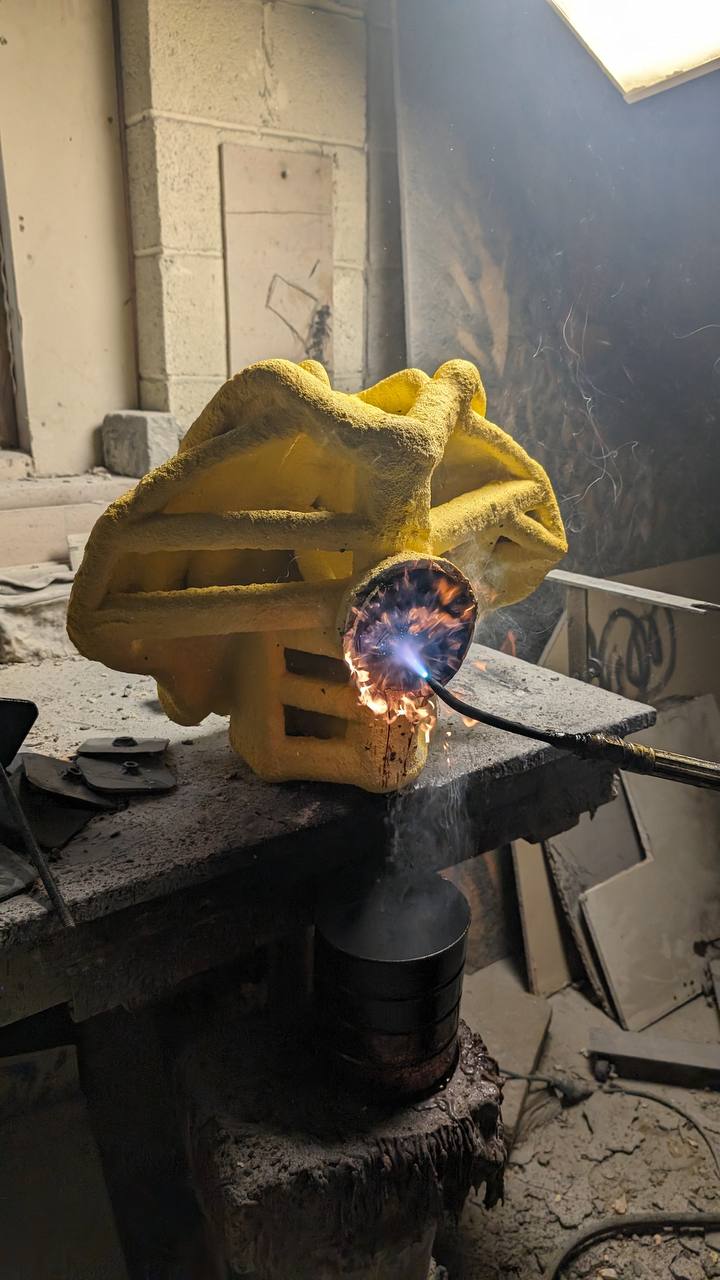
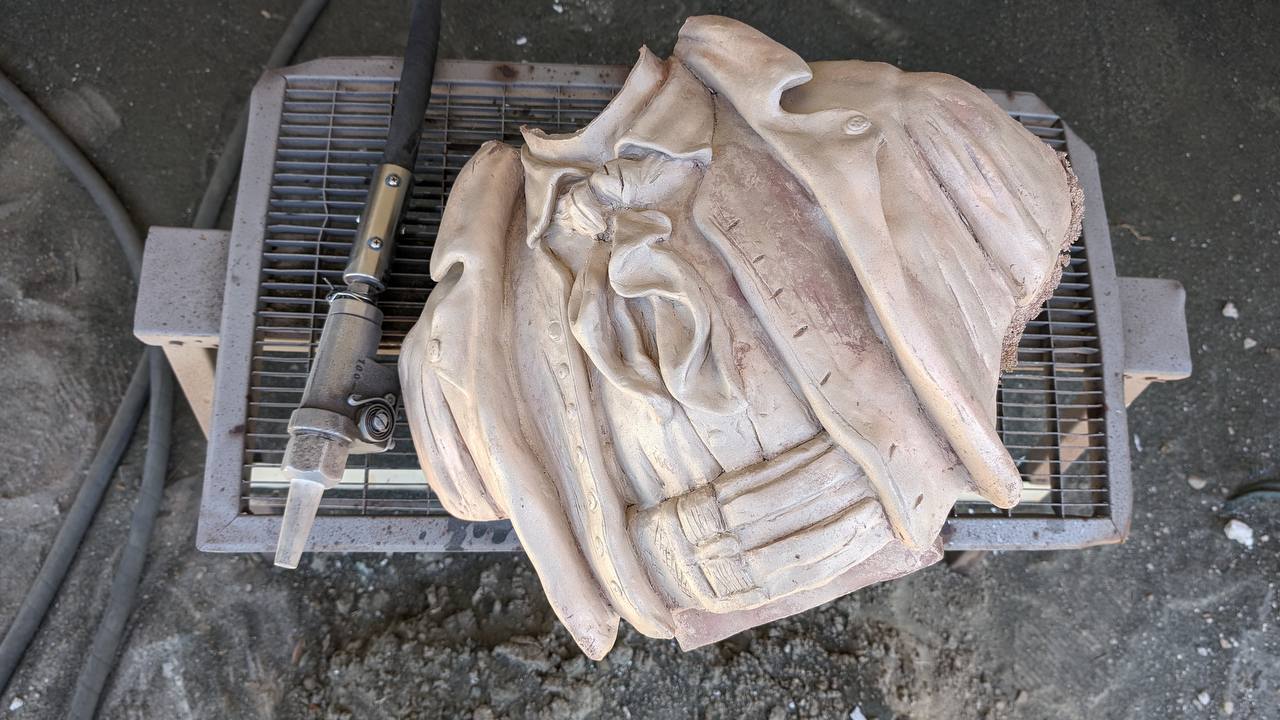
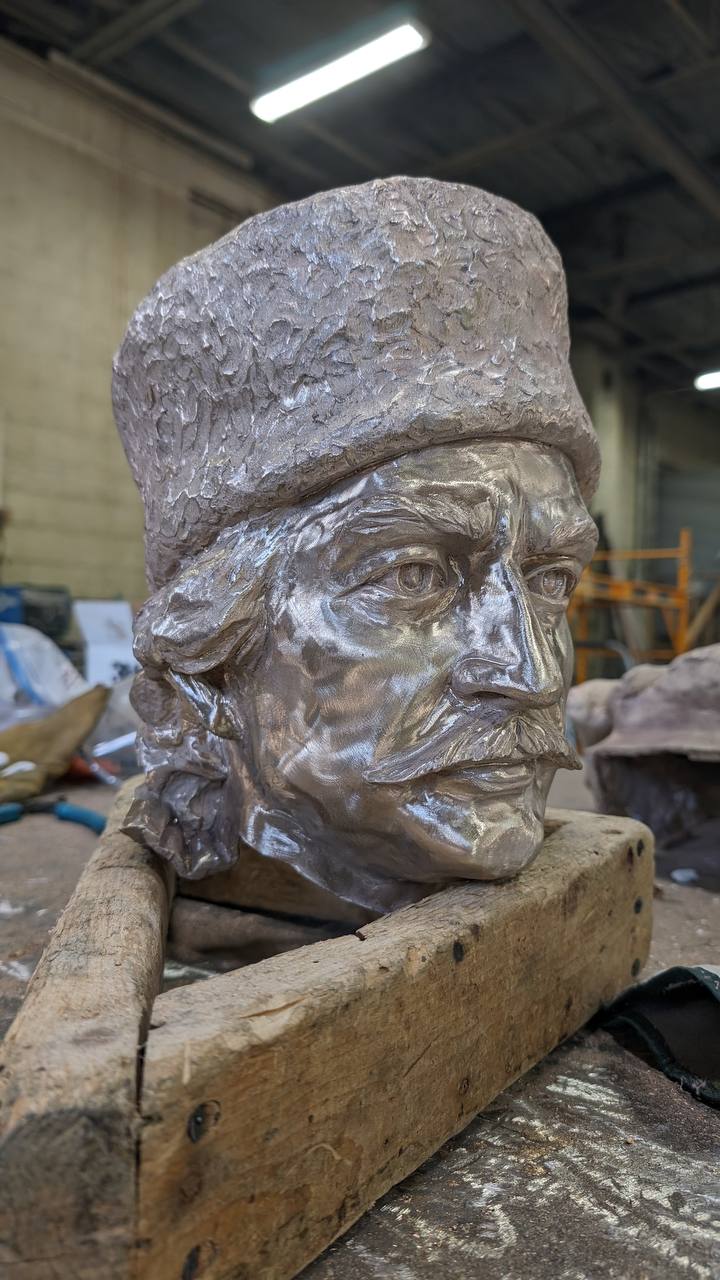
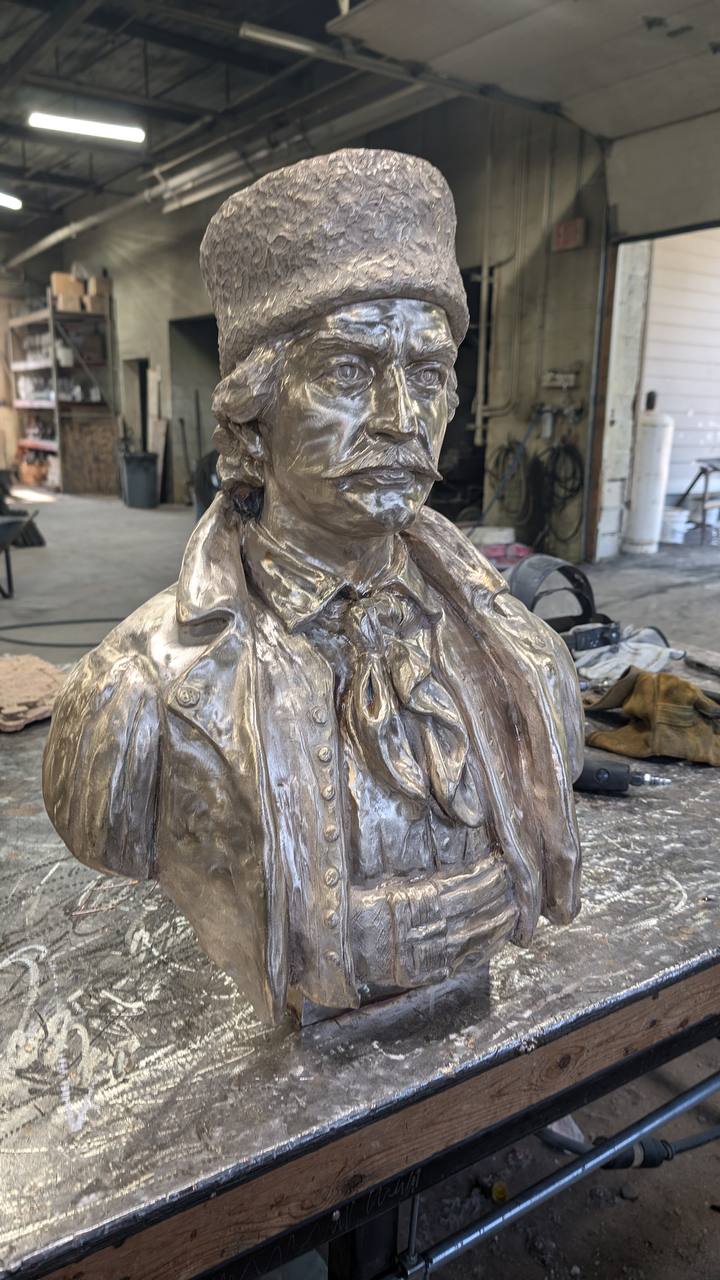
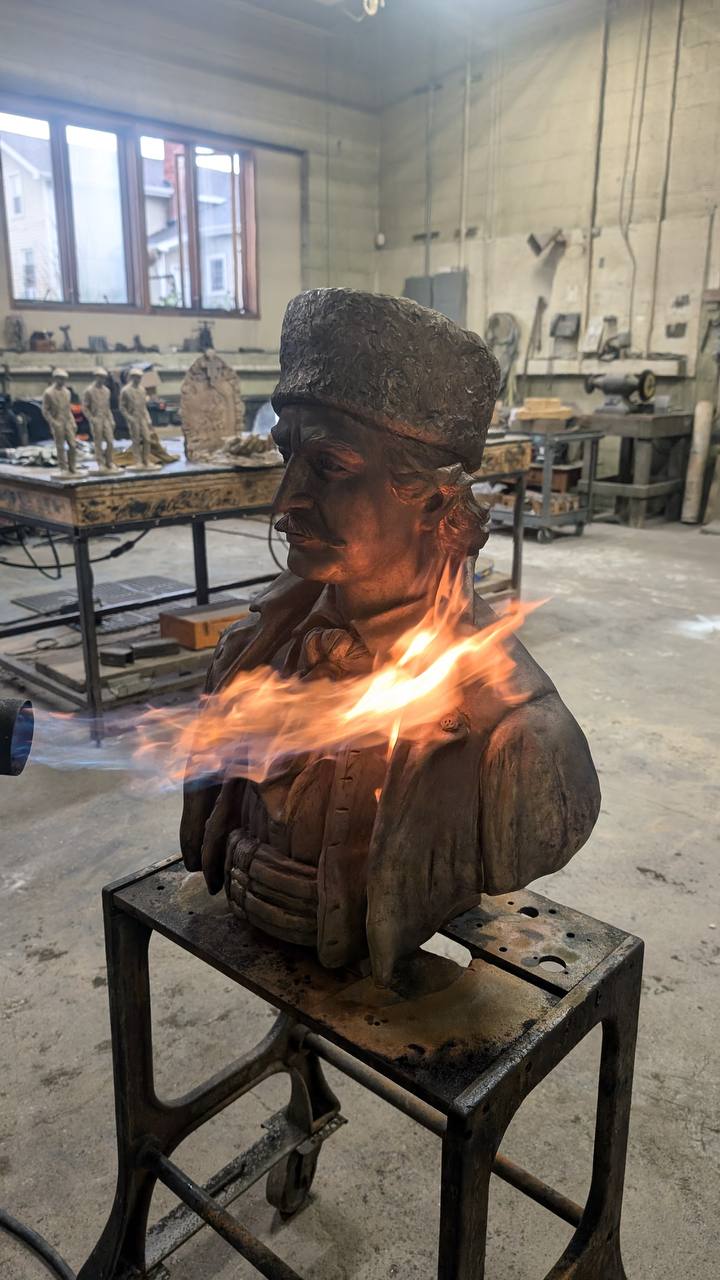
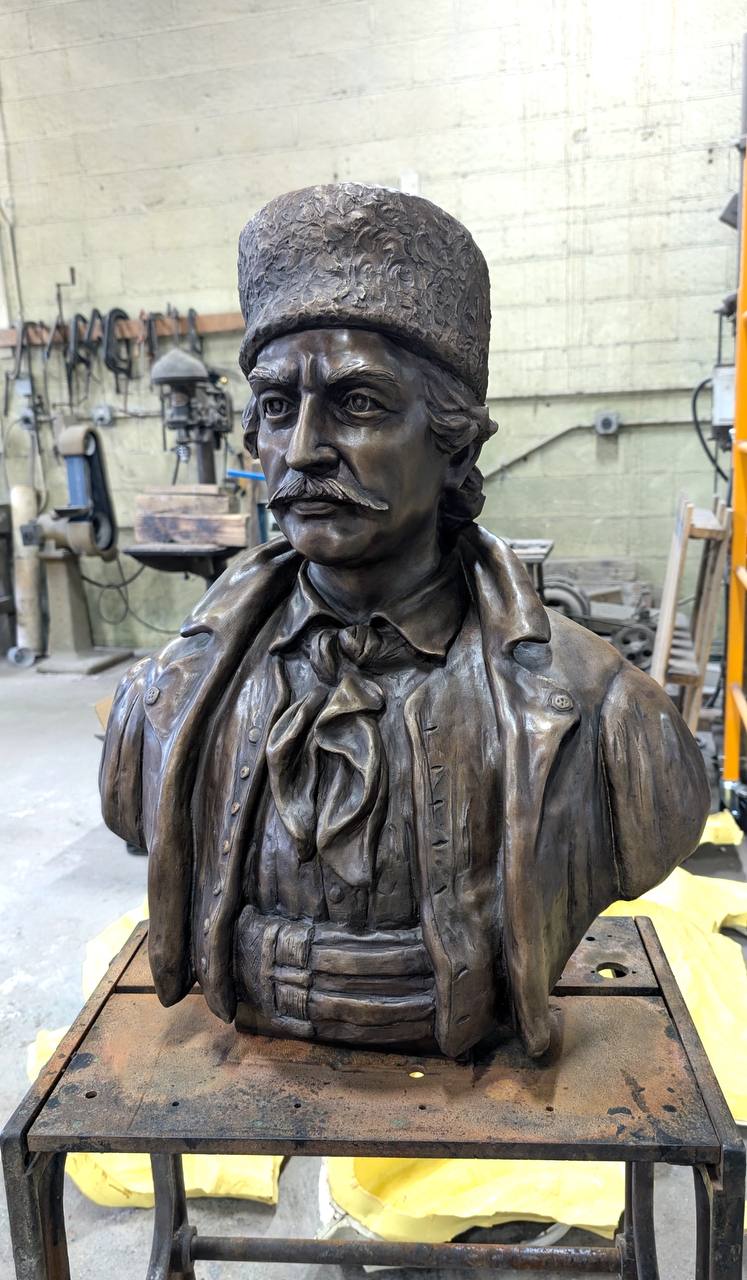
Bronze casting is a dialogue between the artist and the foundry.
My works involve close collaboration with professional foundries, where precision, material knowledge, and artistic intention must align.
My active participation in the casting process and direct understanding of its stages allow me to closely follow the transformation of the original model into bronze.
Each casting is unique and preserves subtle traces of the original model and the working process.
BRONZE CASTING & FOUNDRY
COLLABORATION
Bronze casting is a dialogue between the artist and the foundry.
My works involve close collaboration with professional foundries, where precision, material knowledge, and artistic intention must align.
My active participation in the casting process and direct understanding of its stages allow me to closely follow the transformation of the original model into bronze.
Each casting is unique and preserves subtle traces of the original model and the working process.
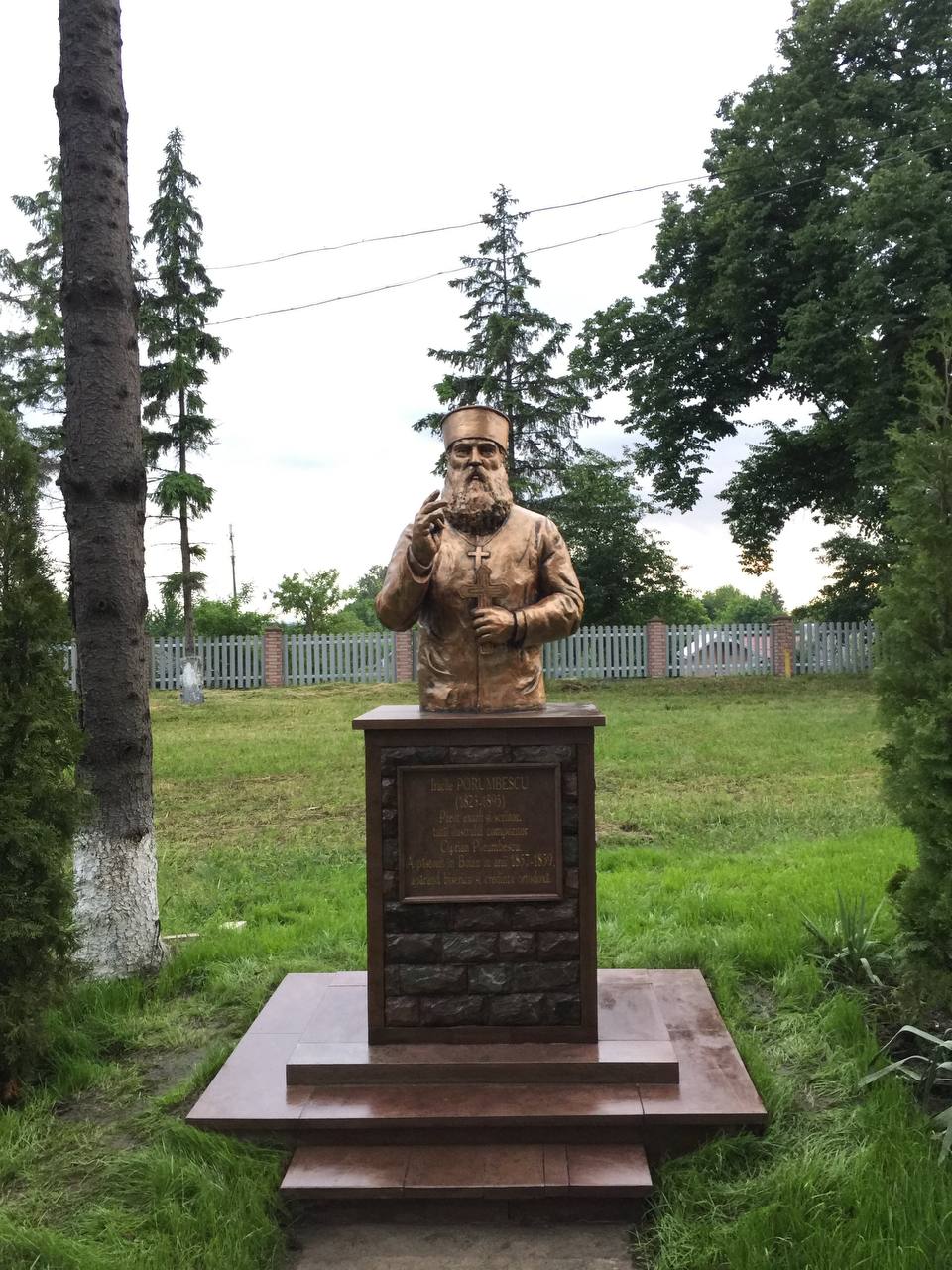
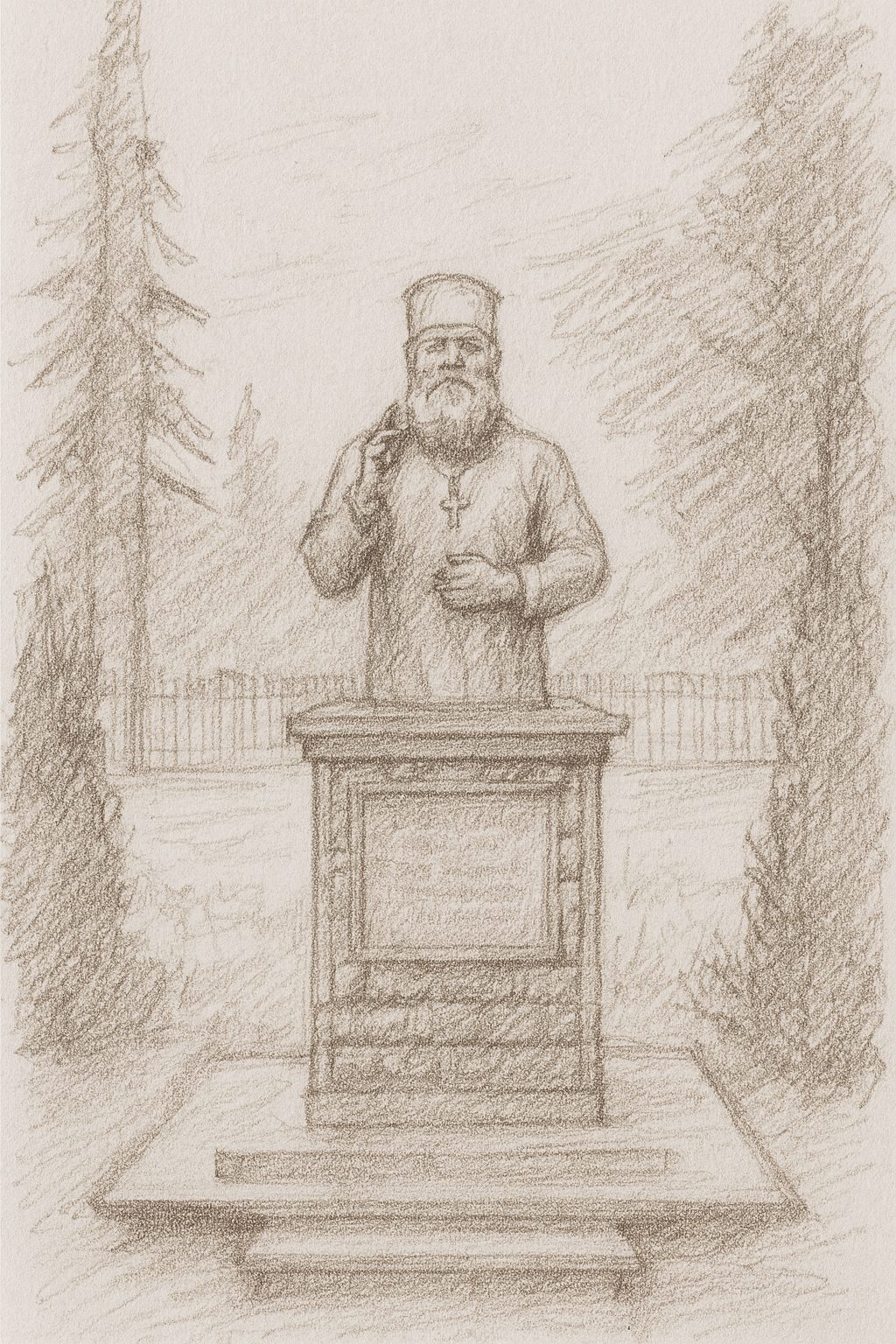
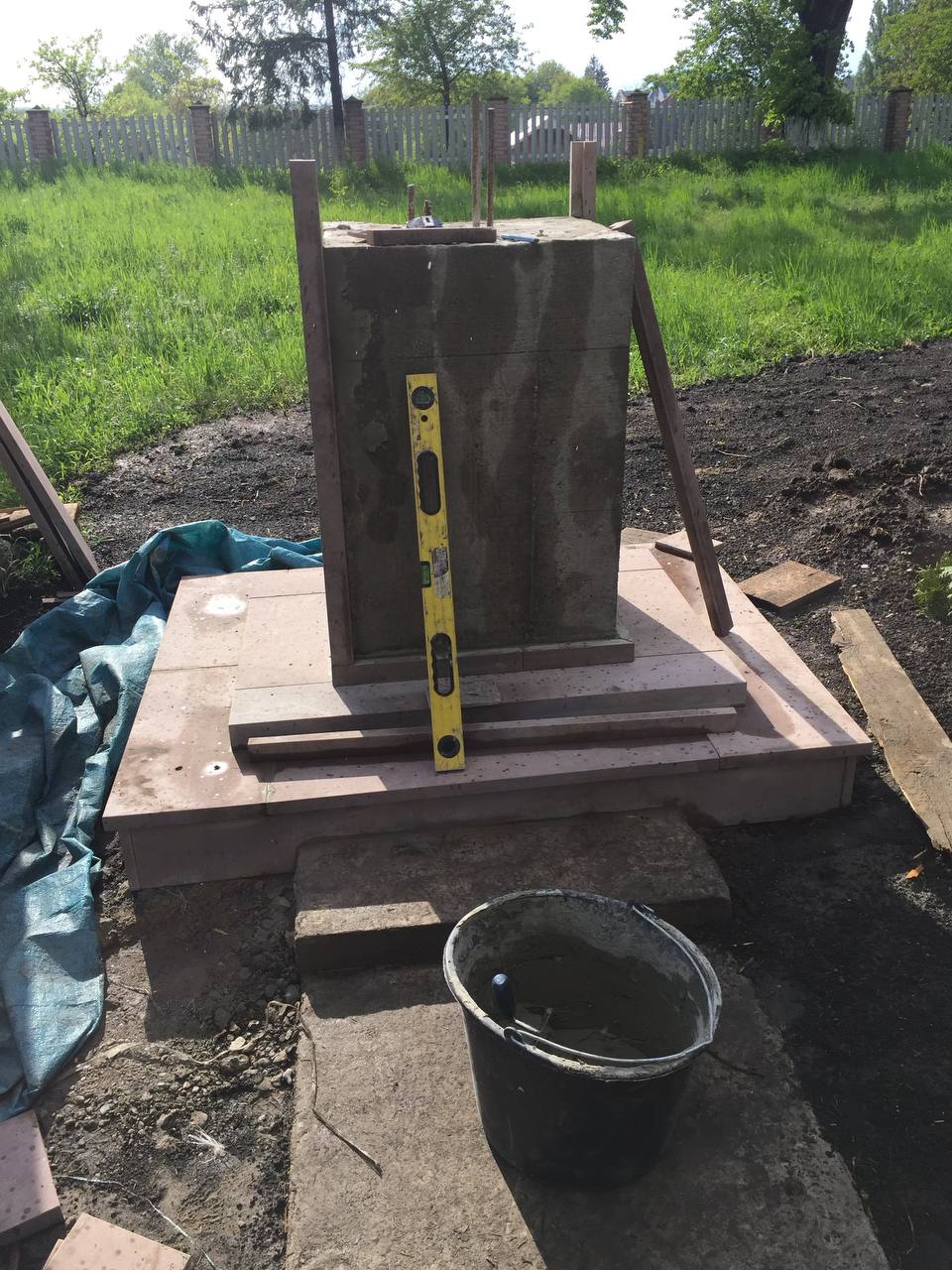
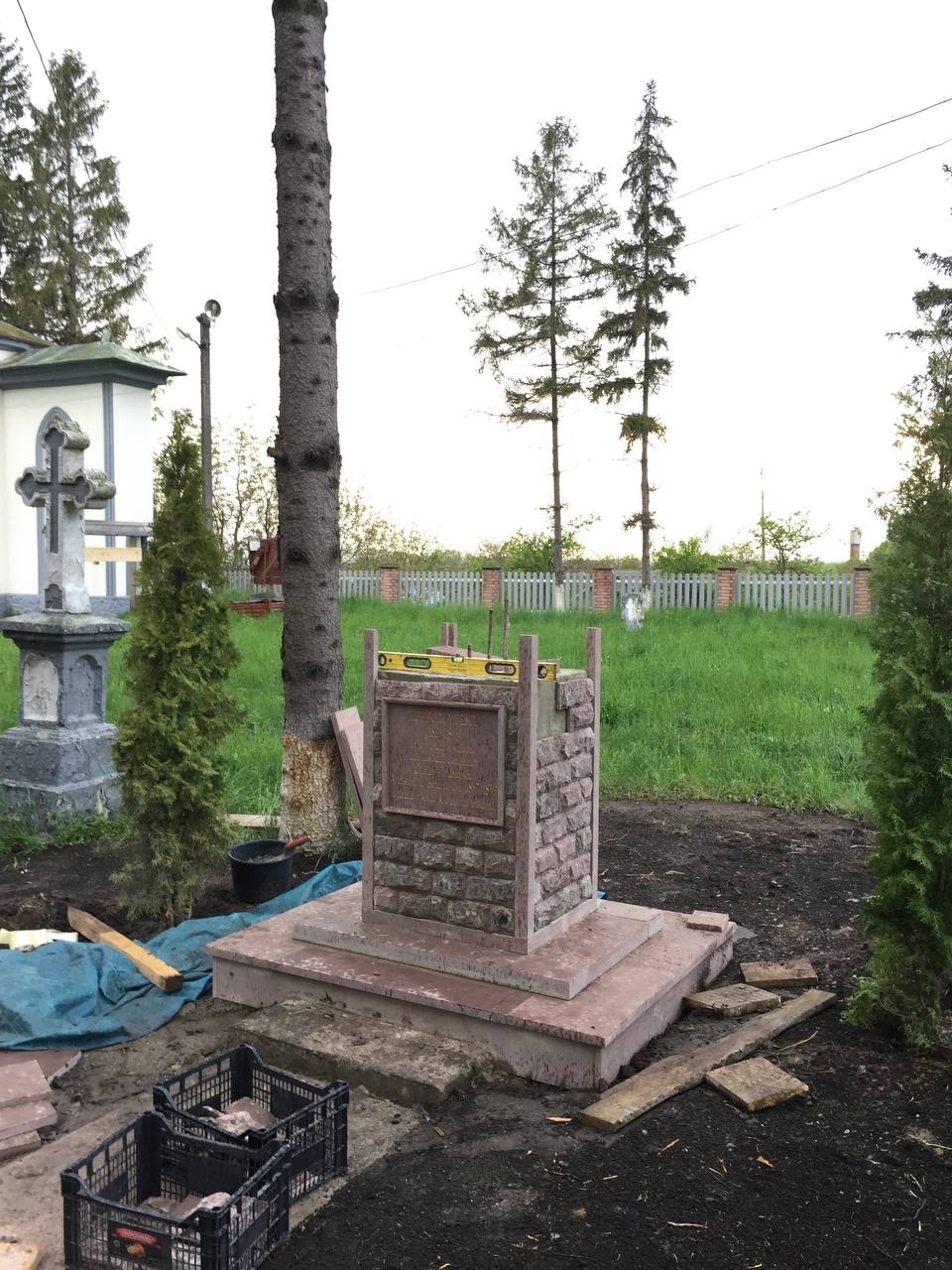
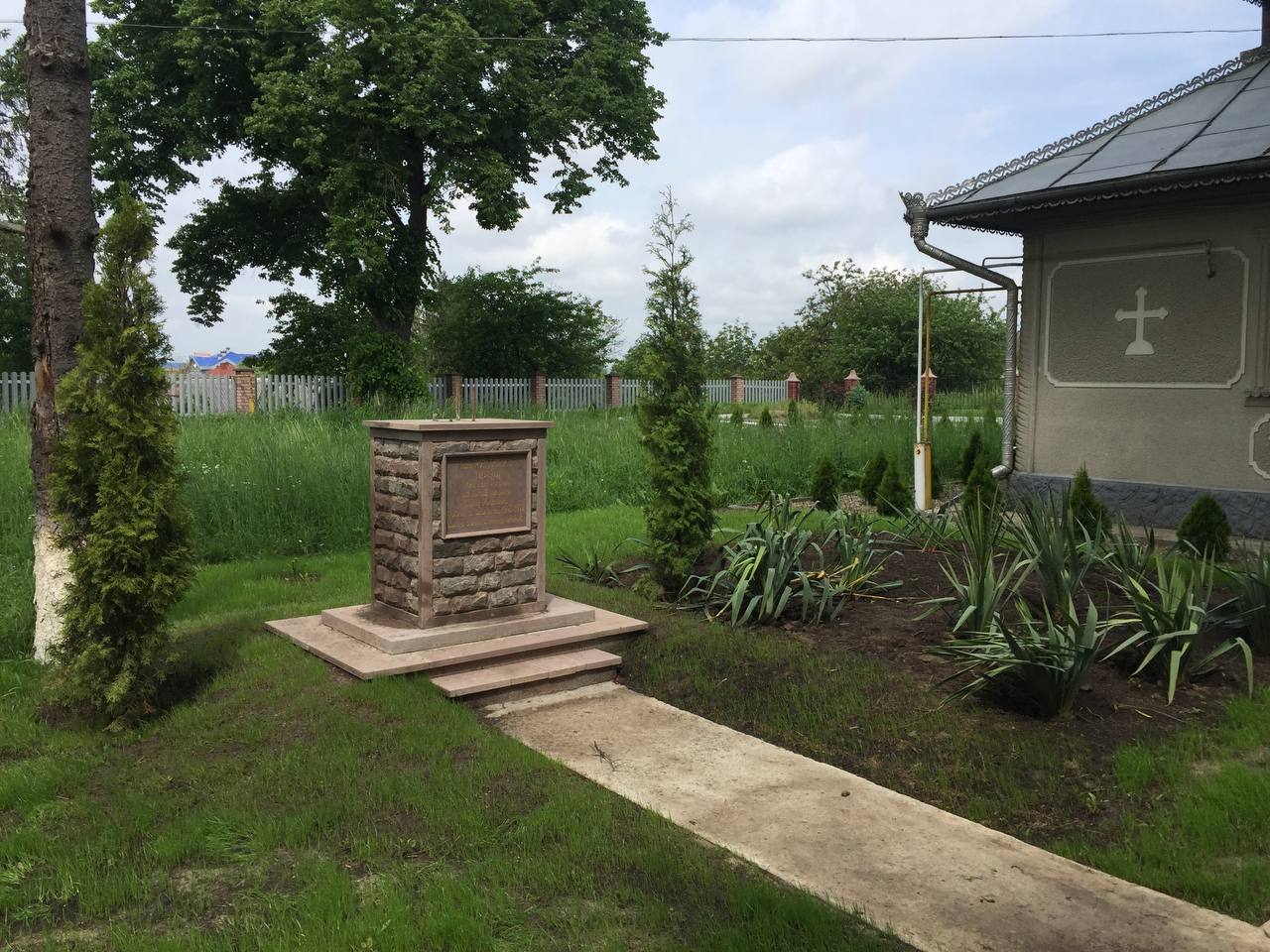
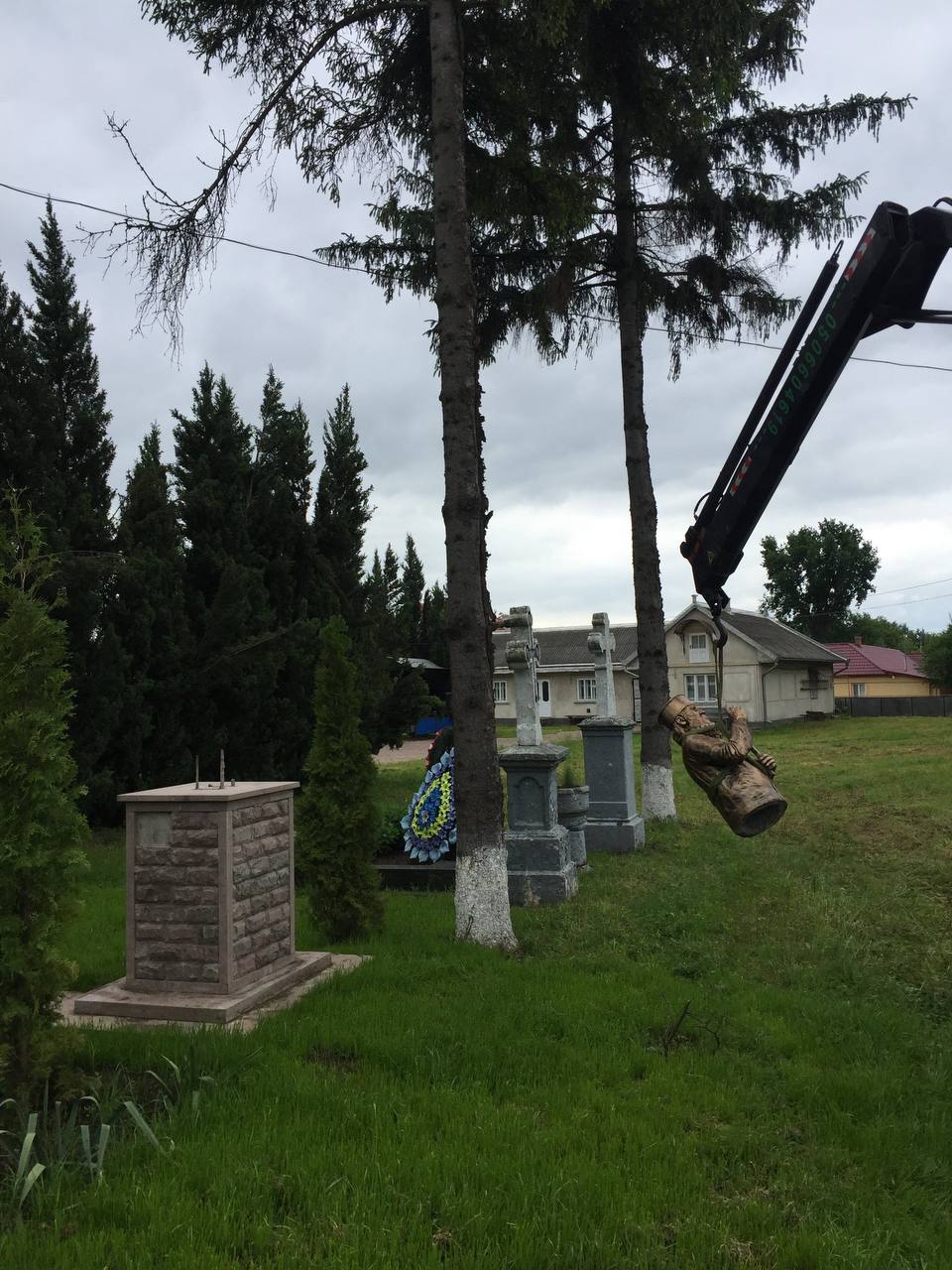
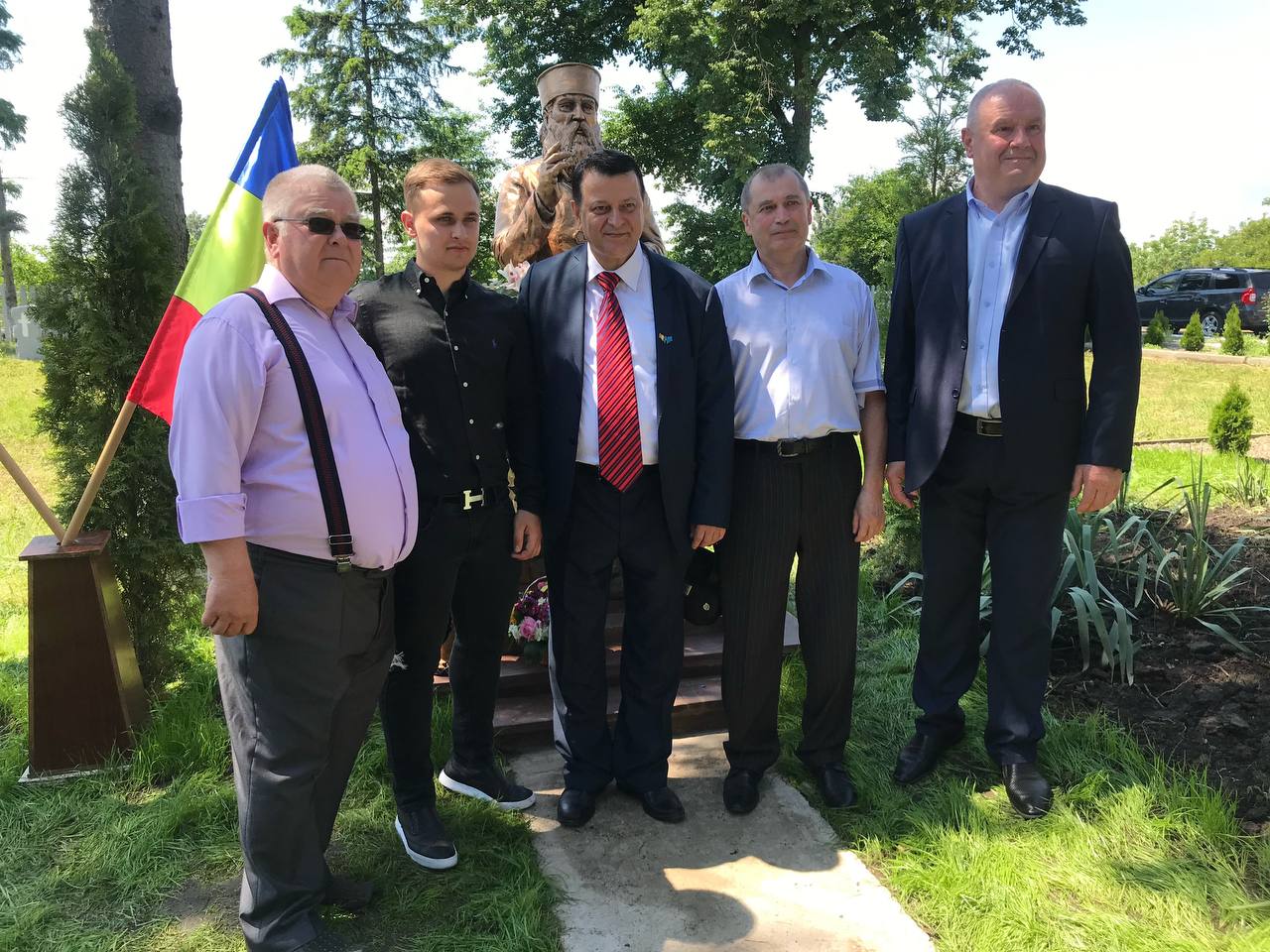
BASES & PEDESTALS
SUPPORTING THE SCULPTURE
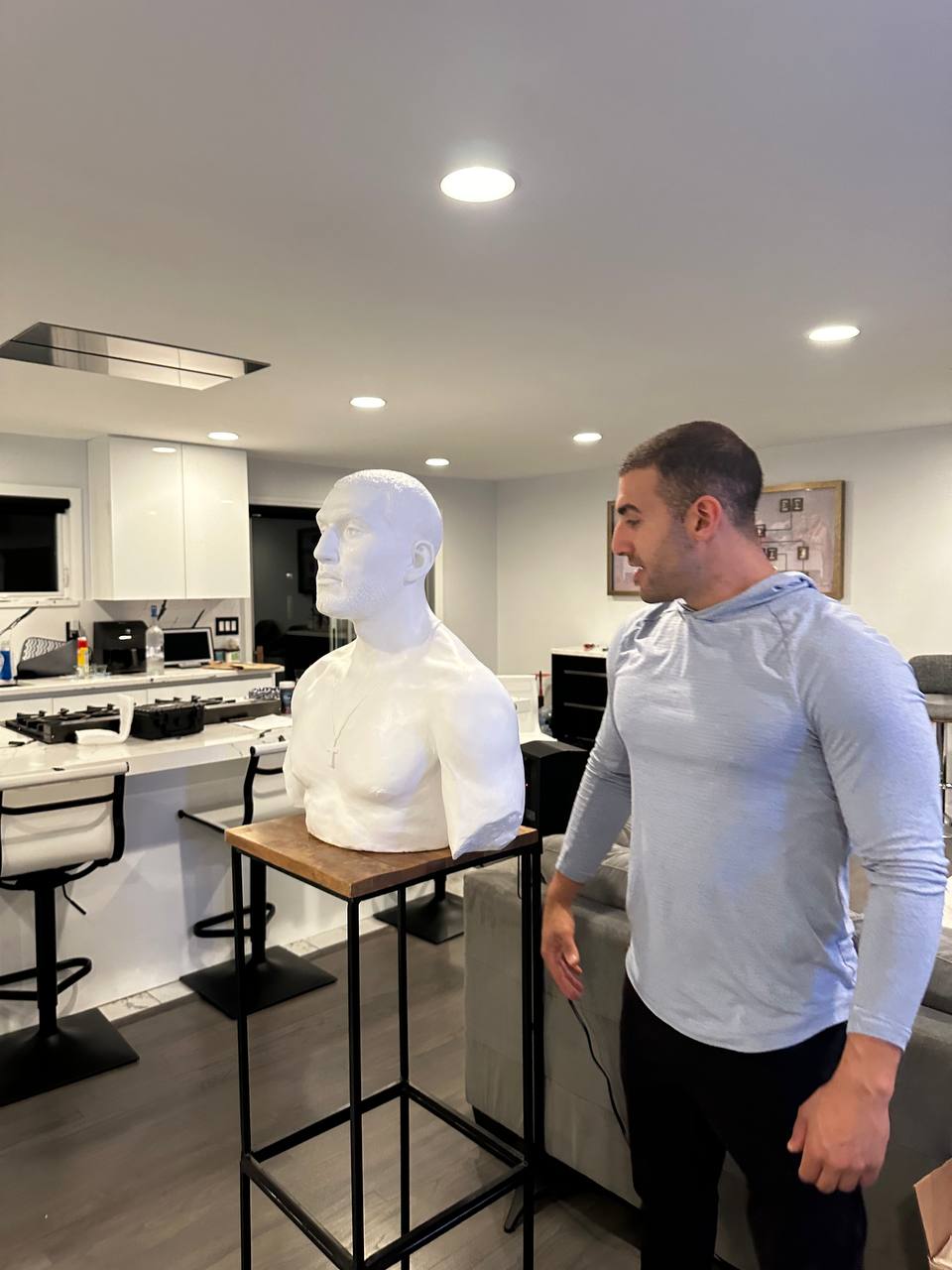
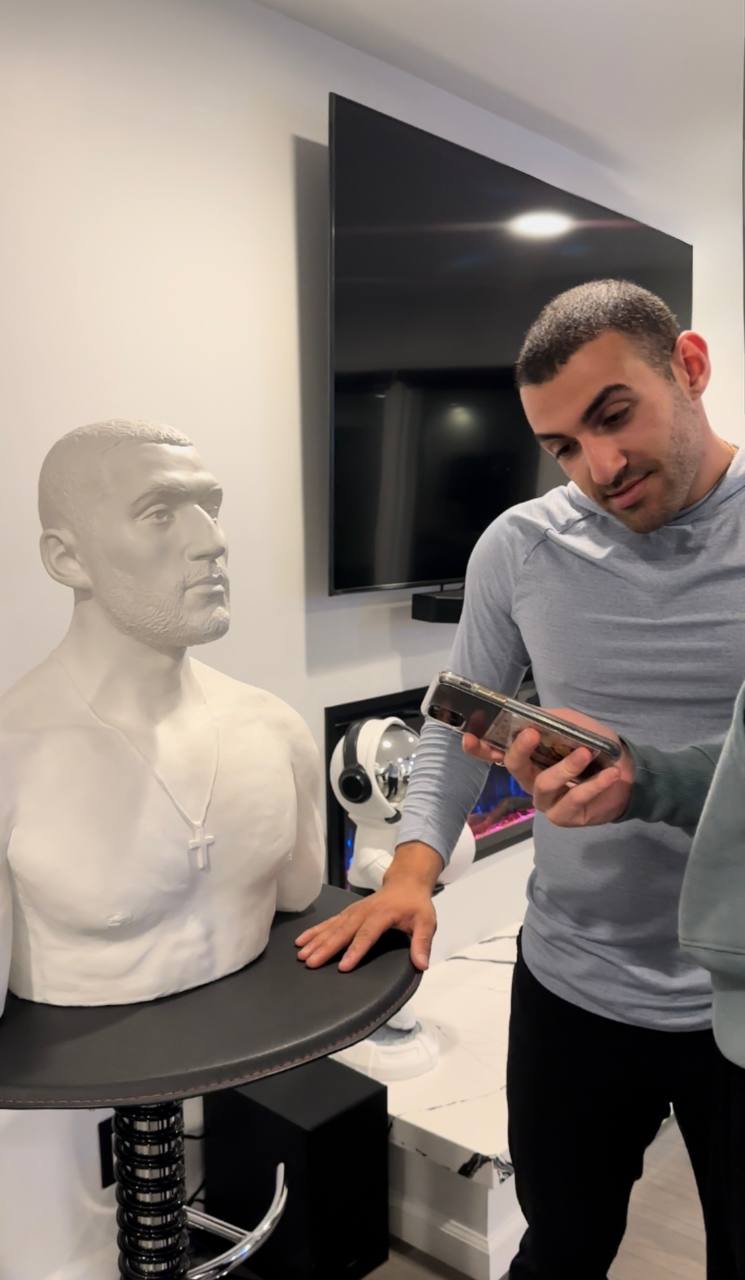
A sculpture does not end at its lowest point.
The base or pedestal is an extension of the work, influencing balance, perception, and presence in space. It is not a secondary element, but an integral part of the sculptural composition.
The creation of a pedestal involves multiple stages and careful consideration. It begins with sketches and proportion studies, where height, footprint, and relationship to the sculpture are defined. Structural requirements, material choice, and visual weight are evaluated alongside the conceptual intention of the work. Only after this planning stage does the physical construction begin. Each pedestal is built to support the sculpture both technically and visually. ensuring stability without overpowering the form it carries. The goal is not to dominate the sculpture, but to complete it, allowing the work to exist in space with clarity and balance.
COMMISSIONED SCULPTURE
FROM FIRST CONTACT TO INSTALLATION
Commissioned works follow a clear and professional process.
From the initial discussion and concept approval, through modeling and casting, to final delivery and installation, transparency and communication are essential.
Each commission is treated as a unique artistic collaboration.
COMMISSIONED SCULPTURE
FROM FIRST CONTACT TO INSTALLATION
Commissioned works follow a clear and professional process.
From the initial discussion and concept approval, through modeling and casting, to final delivery and installation, transparency and communication are essential.
Each commission is treated as a unique artistic collaboration.
About Sculpture
Artistic Practice
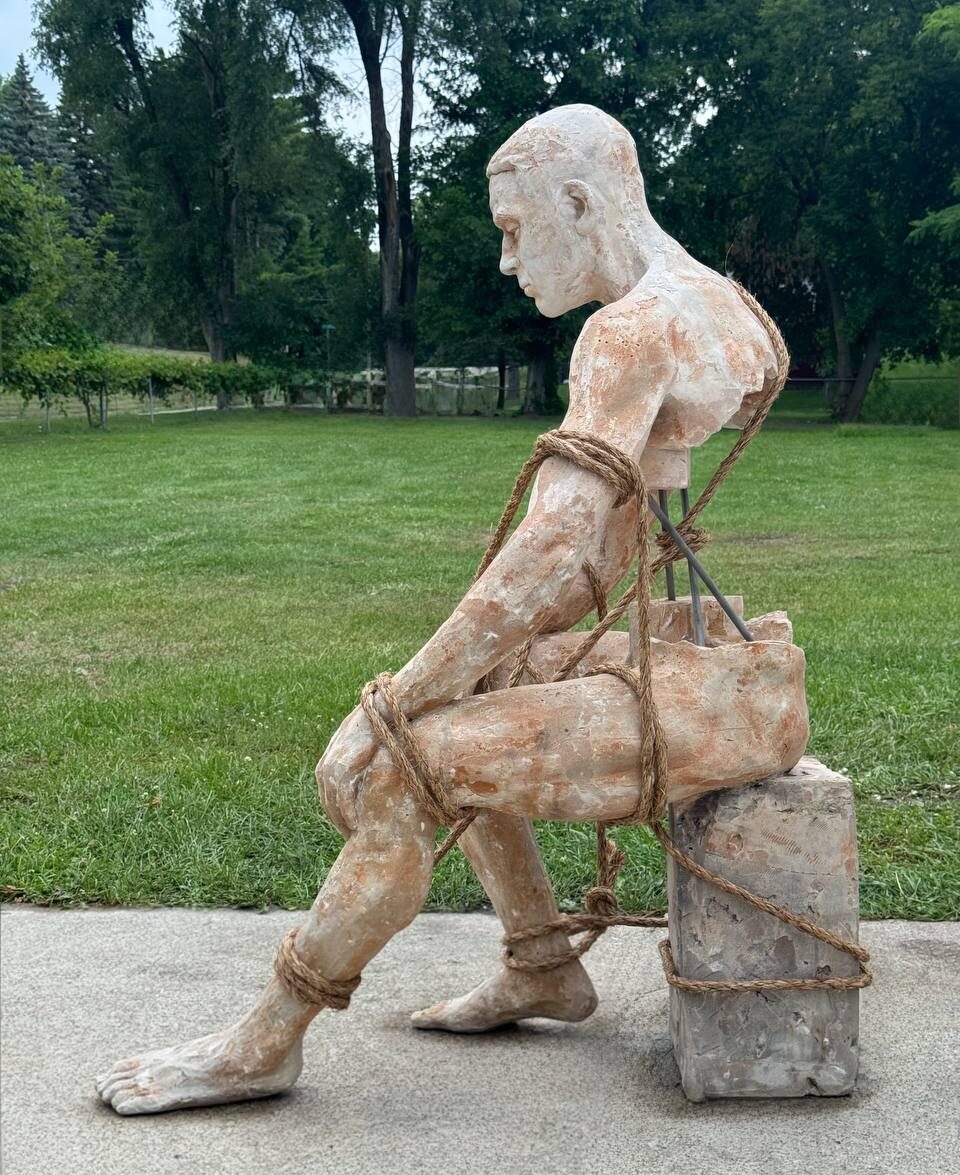
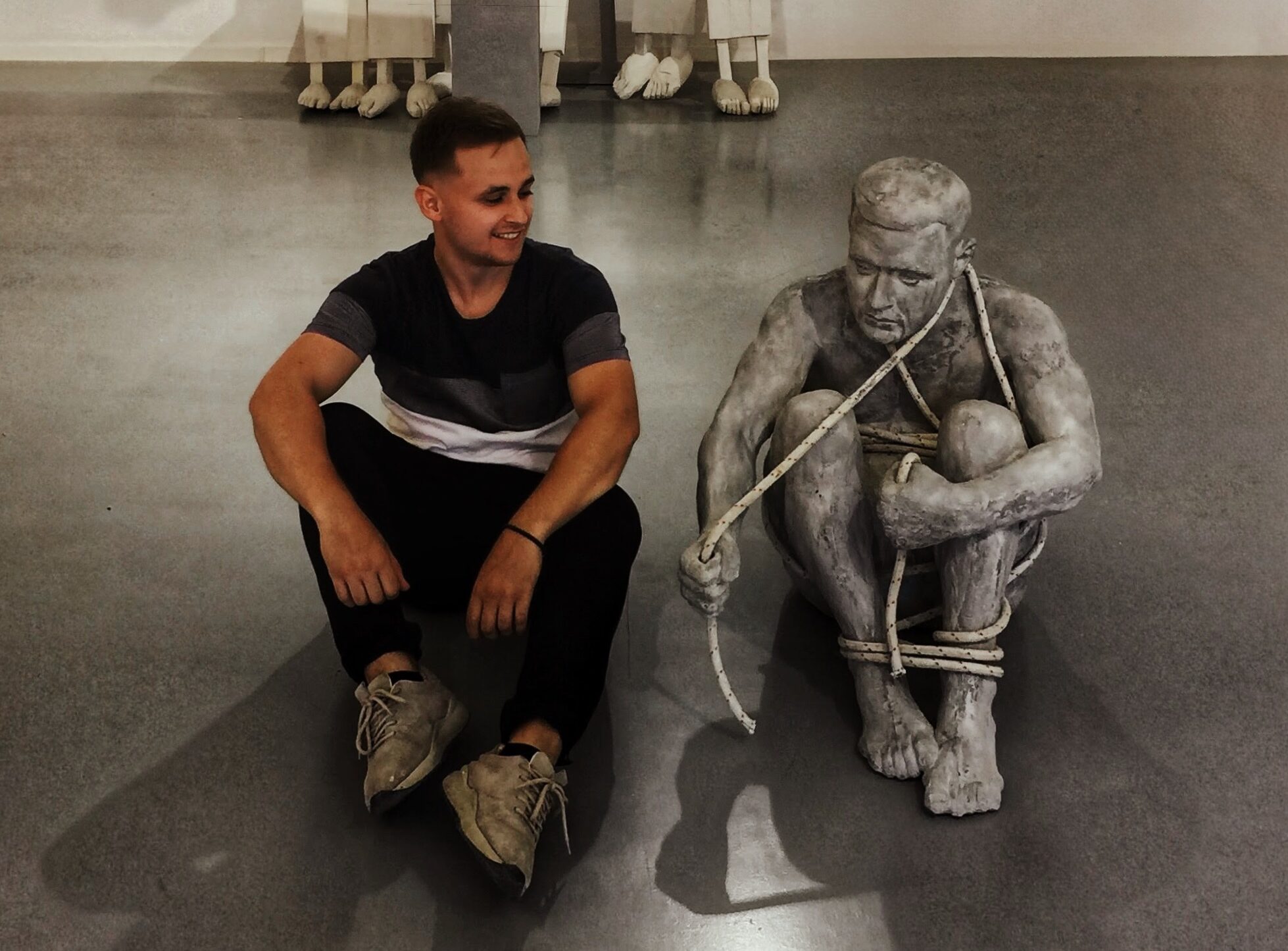
The human figure stands at the core of the sculptural practice. Not as a descriptive portrait, but as a form subjected to tension, pressure, and limitation. Bodies are reduced to their essential structure, often fragmented or constrained, captured in moments of resistance or unstable balance.
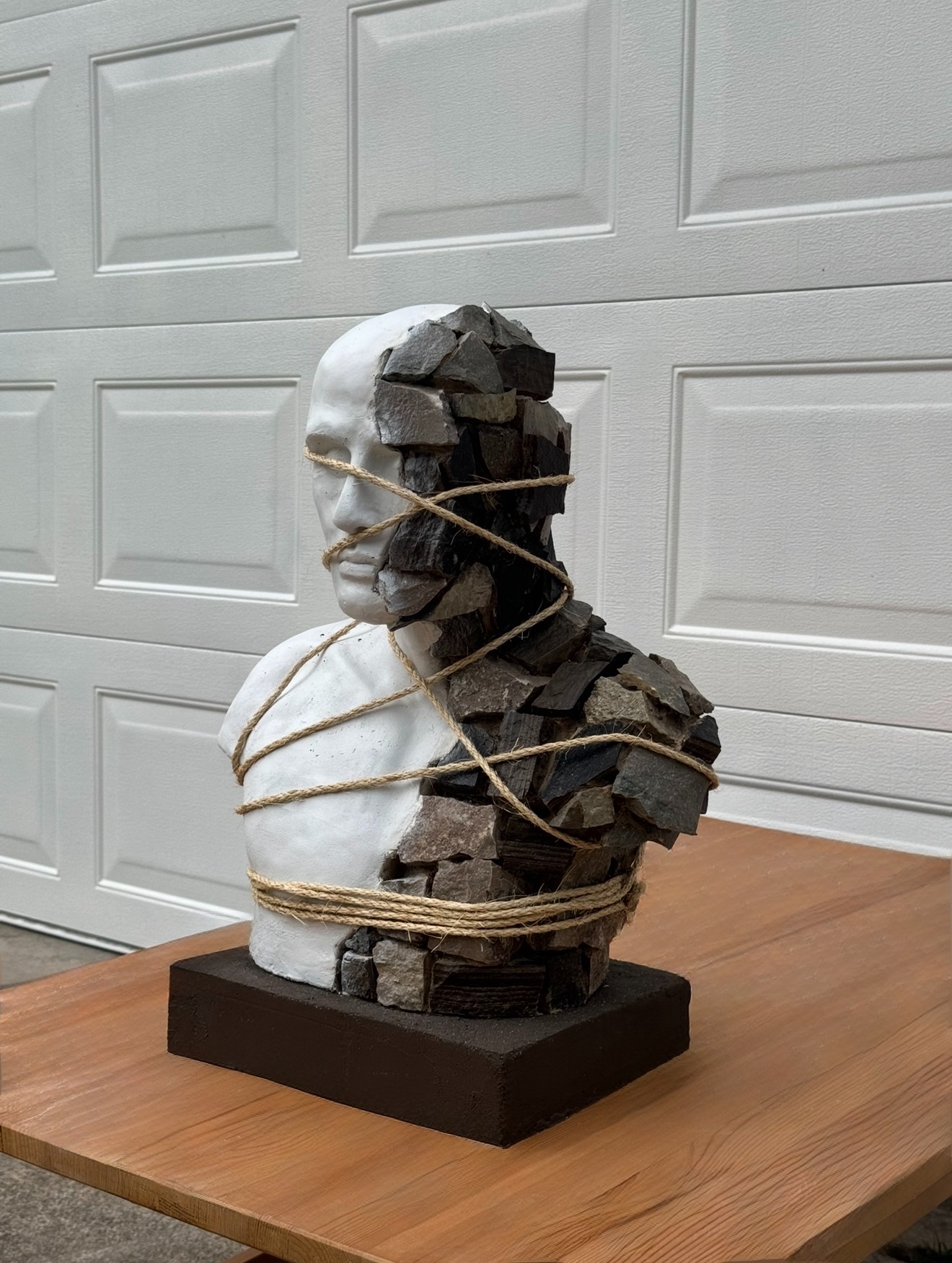
Material is treated as an active component of expression. Metal, plaster, cement, wood, or stone retain their weight, roughness, and traces of process. Surfaces remain open, sometimes deliberately unfinished, and the sculpture does not pursue idealized form but physical presence and internal tension.
Interventions such as binding — rope, pressure, direct contact with material — introduce ideas of control, limitation, and resistance. The human figure becomes a space of negotiation between interior and exterior, stability and collapse. The visual language exists between the tradition of figurative sculpture and a direct contemporary expression, free of ornament or rhetoric.
Sculpture is approached as a physical object with real presence, occupying space and demanding engagement. Each work functions as a concentrated form of tension, establishing a direct relationship between material, body, and the space it inhabits.